“That is not dead which can eternal lie, and with strange aeons even death may die.”
—H. P. Lovecraft
Lovecraft’s chilling words, originally penned to evoke cosmic horror, can be reimagined as an invitation to behold the universe’s unceasing vitality. Far from depicting a lifeless void, these lines suggest that what appears dead is only dormant—awaiting the passage of strange aeons to reawaken in new and unexpected forms. This vision transforms death from an absolute end into merely one phase of a continuous cycle of transformation, where even the inanimate holds a latent potential for life and consciousness.
At the core of this perspective are two ancient yet ever-relevant ideas: hylozoism and panpsychism. Hylozoism asserts that all matter is alive. In this view, nothing in nature is truly inert; from the towering mountains to the smallest pebble, every element participates in the dance of life. Complementarily, panpsychism posits that consciousness is not the exclusive domain of brains but an inherent quality of all matter. Every atom, molecule, and grain of dust is imbued with a rudimentary form of awareness—a spark of experience that pervades the cosmos. Together, these philosophies dismantle the traditional binary between the living and the non-living, inviting us instead to see a universe animated by a continuous, interwoven field of mind and life.
The idea is as old as philosophy itself. Aristotle tells us that Thales held “all things are full of gods,” and that he granted a soul to the lodestone because it moves iron, so the first argument for living matter in the Western record is an argument from magnetism. Heraclitus spoke of an ever-living fire, and the Stoics taught that a fiery breath, pneuma, pervades all substance and holds each thing together by its tension. The word itself arrived much later: the Cambridge Platonist Ralph Cudworth coined “hylozoism” in 1678, in order to argue against it. Its most explicit modern champion was the French alchemist François Jollivet-Castelot (1874–1937), founder of the Société Alchimique de France, who taught that all matter is endowed with life and soul, that the world is a living being penetrated by a world-soul, and that everything in nature is constantly evolving and transforming. He set this out in La Vie et l’Âme de la Matière (1894) and named it outright in L’Hylozoïsme, l’Alchimie, les Chimistes Unitaires (1896).
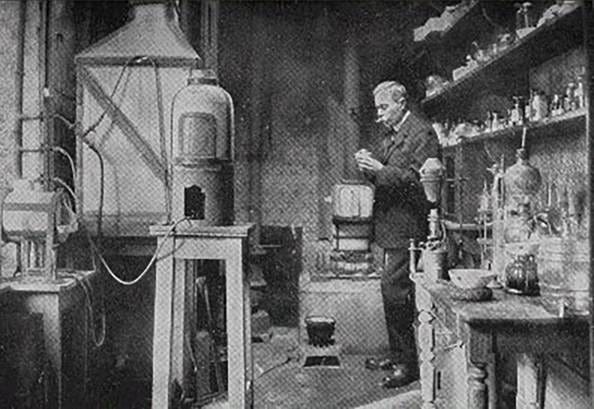
Hylozoism is the focus here, with panpsychism as its natural companion, for the life side is where the laboratory record lies. Electricians, chemists, physicians, microscopists, alchemists and deep-sea biologists have each watched living form arise from mineral substance, or survive conditions that should have ended it. Most worked alone, unaware of one another. Set side by side, their records describe one phenomenon: a universe in which life lies latent in all things, awaiting its strange aeons.
Goethe’s Urphänomen and the Unity of Nature
“Since, however, matter can never exist and act without spirit, nor spirit without matter, matter is also capable of undergoing intensification...” —Goethe
Johann Wolfgang von Goethe’s revolutionary approach to science transcended the mechanistic paradigms of his era, offering a vision of nature as a living, interconnected whole. Rejecting the reductionist methods of his contemporaries, Goethe cultivated a “delicate empiricism”— a participatory mode of inquiry in which the observer immerses themselves in the qualitative essence of phenomena. For Goethe, studying a leaf or a mineral was not a detached analysis but a dynamic dialogue, a process of co-creation between the scientist and the observed. This method revealed nature not as a collection of isolated parts but as a tapestry woven from universal archetypal patterns, which he termed Urphänomen (“primal phenomena”). These archetypes—directly observable yet transcending mere physicality—were keys to deciphering nature’s hidden unity. His pursuit of the Urpflanze (archetypal plant) exemplified this quest: Goethe traced how a single generative principle unfolds through seed, leaf, blossom, and fruit, each form a metamorphic expression of an underlying template. A plant’s growth, in Goethe’s view, was not mechanical assembly but a living intensification (Steigerung) of this primal idea, with every root, stem, and petal emerging as a variation on a unified theme.
Central to Goethe’s philosophy was the dissolution of boundaries between matter and spirit. In an 1828 essay, he asserted that “matter can never exist and act without spirit, nor spirit without matter,” framing them as inseparable partners in nature’s dance. This insight echoed hylozoism’s claim that life permeates all substance and panpsychism’s insistence on ubiquitous mind. For Goethe, even the most seemingly inert objects—a stone, a cloud, a beam of light—possessed an inner dimension, a soul-quality resonating with their material form. The natural world, in this view, was a single living organism, its countless parts animated by a shared essence. Goethe’s concept of the Urphänomen thus became a bridge between empirical observation and metaphysical intuition, revealing nature’s extravagant diversity as expression of a deeper, dynamic unity. His methodology transformed observation into collaboration: by engaging phenomena through empathic imagination, the inquirer could intuit the living principles shaping reality. This participatory way of knowing—where observer and observed co-create meaning—aligns perfectly with panpsychism and hylozoism, suggesting that every natural form is imbued with an inner life waiting to be recognized. Goethe’s legacy challenges us to see not isolated objects but a radiant continuum of life and mind, and it invites the modern scientist to approach Nature with the same reverence and openness.
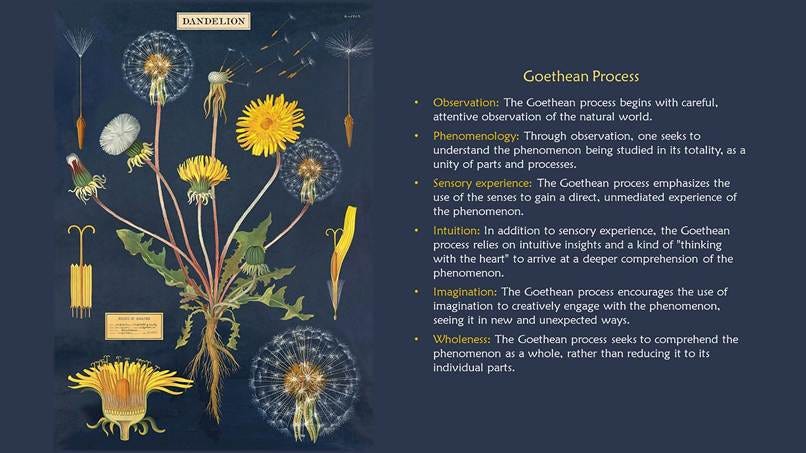
Moreover, Goethe’s insight serves as an invitation to look beyond the superficial differences separating objects and organisms. By perceiving Nature through the lens of the Urphänomen, we learn to recognize the shared essence underlying all forms of existence. This perspective challenges us to reconsider our own place in the universe—not as isolated, passive spectators but as active participants in a grand, cosmic symphony. Every rock, every drop of water, every beam of starlight is a manifestation of the same fundamental living principle that flows through our own being. It is this very continuity that transforms Lovecraft’s once-ominous words into a message of hope and unity: even in the depths of apparent death, life endures and evolves, perpetually weaving itself into new patterns across the fabric of time. In essence, reinterpreting Lovecraft’s verse through the lenses of panpsychism, hylozoism, and Goethe’s vision invites us to see the universe as a dynamic interplay of matter and mind—a cosmos where every part is alive to some degree, contributing to a boundless field of consciousness and creative potential. By recognizing that even the most seemingly inert forms of existence contain the spark of life, we embrace a cosmos defined not by isolation and decay, but by continuous rebirth and transformation. This perspective not only deepens our understanding of Nature, but also calls us to participate more fully in its eternal, wondrous unfolding.
Blurring the Line Between Life and Matter
“The true laboratory is the mind, where behind illusions we uncover the laws of truth.”
—Jagadis Chandra Bose
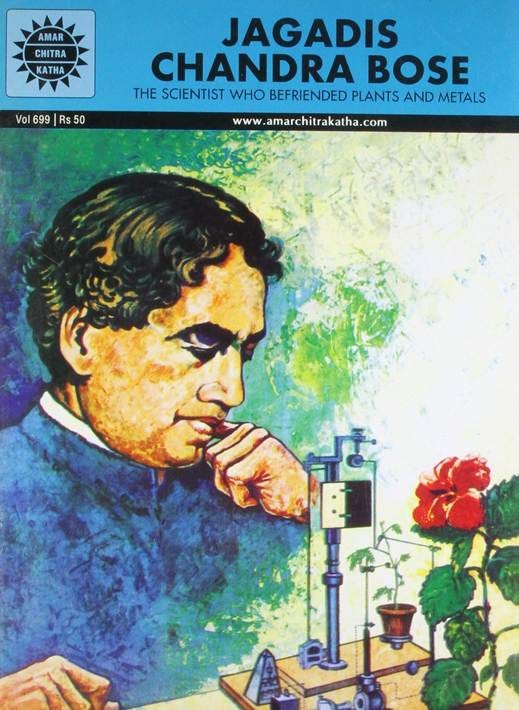
Remarkably, what Goethe intuited in philosophy, Sir Jagadish Chandra Bose later explored through experiments. Bose, a pioneer biophysicist in the early 20th century, was fascinated by the unity of the living and the nonliving. He devised ingenious instruments (like the crescograph and highly sensitive galvanometers) to detect tiny electrical signals in plants – and even in metals – under various stimuli. In a series of groundbreaking studies, Bose performed comparative analyses of how metals and plant tissues respond to identical perturbations. He subjected both plant cells and metal samples to mechanical stress, electrical currents, heat, cold, chemicals, and poisons, then recorded their physiological reactions. The results were astonishing: Bose observed that metals exhibit fatigue and recovery cycles just as living muscle or nerve cells do. Repeated stimulation caused a metal to temporarily “tire” (its response amplitude weakened), then gradually recover strength after rest—precisely the kind of cyclic response seen in living tissues. In one paper he demonstrated that the electrical response curve of a wounded plant closely resembled the curve from a strained metal wire. The parallel was unmistakable. Under the pen of science, Bose was erasing the boundary between life and non-life: metallic matter could act as though it had a nervous system, and plant tissue could be measured like a piece of sensitive metal.
Bose presented these results at the Royal Institution in London on 10 May 1901 and gathered them in Response in the Living and Non-Living (1902). Recording muscle, plant and metal side by side, he found that all three were stimulated by small doses of certain reagents, depressed by larger ones, and silenced by poisons. “Various poisons have the effect of permanently abolishing all response,” he wrote. The characteristic drug response curves of animal, plant and metal were practically the same. In his conclusion Bose asked: “Among such phenomena, how can we draw a line of demarcation and say, here the physical ends, and there the physiological begins? Such absolute barriers do not exist.”

Bose went further to test the continuity between the animate and inanimate. He found that when he “anesthetized” a plant with chemicals (e.g. chloroform), its pulsating electrical signals would slow and stop—effectively, the plant fainted. Strikingly, if he applied a toxic chemical to a piece of metal (for example, poisoning tin or zinc with acid), the metal’s response likewise flatlined. It was as if the metal, too, had been “killed” or rendered insensible by the poison. Both living cells and metal wires lost their responsiveness under the same debilitating conditions. These parallel results suggested a profound unity: whatever physiological processes underlie a plant’s vitality, something analogous might be present even in a mineral.
“Thus living response in all its diverse manifestations is found to be only a repetition of responses seen in the inorganic... Nowhere in the entire range of these response-phenomena — inclusive as that is of metals, plants, and animals — do we detect any breach of continuity.”
—Jagadis Chandra Bose
As a young man, Paramahansa Yogananda watched a demonstration of this work and described it in Autobiography of a Yogi (1946). Bose connected a strip of tin to his recording apparatus, and the needle traced its living pulse. “When the professor applied chloroform to the tin, the vibratory writings stopped.” The tin had been anaesthetized like living tissue, and the underlying point was consistent with Bose’s data: the behavior of “lifeless” metal could resemble the behavior of living flesh. What we call non-living matter was not truly inert; it could feel and react (albeit in its own elemental way) to stimuli. Bose’s work, through both rigorous experiments and illustrative demonstrations, dissolved the supposed gap between the living and the nonliving. It bolstered the idea that life is a spectrum, not a toggle, and that even a metal carries a latent spark of life and sensitivity within it.
At the opening of the Bose Institute in Calcutta on 30 November 1917, Bose summed up his life’s research in a single sentence: “I found boundary lines vanishing, and points of contact emerging, between the realms of the living and the non-living.”

Life from the Non-Living: The Experimental Lineage
The accidental emergence of insect-like acari in Andrew Crosse’s 1836 electrocrystallization experiments and Henry Charlton Bastian’s defiant 19th-century advocacy for archebiosis—life arising from nonliving matter—represent pivotal challenges to rigid biological paradigms. They open a line of investigators that runs for a century and a half: Antoine Béchamp’s microzymas, Günther Enderlein’s cycles of the protit, Royal Raymond Rife’s light-stained forms, Gaston Naessens’ somatids, Wilhelm Reich’s bions, and the mineral experiments of Charles Littlefield and Morley Martin. Each worked largely alone, and each recorded living form arising from, or persisting within, matter held to be dead. These historical phenomena, when viewed through hylozoism and panpsychism, invite a reexamination of life’s boundaries. Their findings resonate with enduring questions about the latent vitality of matter and the conditions under which life might self-organize.
Andrew Crosse’s Electrocrystallization and the Mysterious Acari
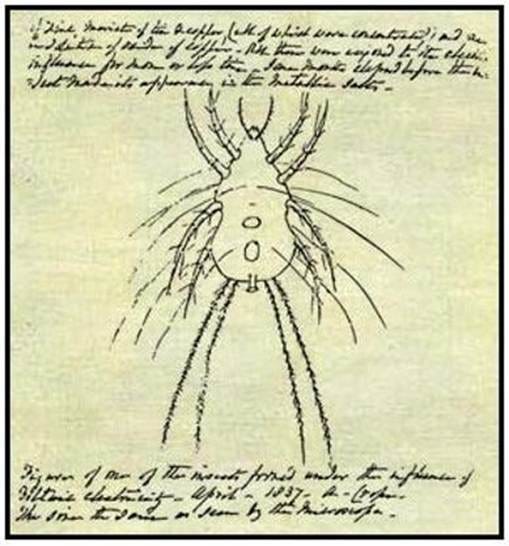
In 1836, Andrew Crosse, a self-taught electrical researcher working from his laboratory at Fyne Court in Somerset, England, embarked on a series of investigations into electrocrystallization. His apparatus consisted of a piece of porous red oxide of iron from Vesuvius, kept moist by a steady drip of silicate of potash (made by fusing powdered flint with carbonate of potash) supersaturated with hydrochloric acid, all subjected to a continuous current from a voltaic battery of nineteen pairs of five-inch zinc and copper plates. Over 28 days, Crosse documented a startling progression: whitish excrescences appeared on the electrified stone by the 14th day, developed filamentous structures by the 18th day, and by the 26th day had assumed the morphology of eight-legged mites identified as Acarus (later nicknamed Acarus electricus or “Crosse’s acari”). These tiny organisms, akin to dust-mites typically found in decaying organic matter, detached from the stone and moved autonomously – all in an environment saturated with caustic chemicals and continuously electrified.
Crosse’s own words carry the scene: “On the 14th day from the commencement of the experiment I observed through a lens a few small whitish excrescences, or nipples, projecting from the middle of the electrified stone.” By the 18th day filaments had sprouted; by the 26th “each figure assumed the form of a perfect insect, standing erect on a few bristles which formed its tail”; and on the 28th he saw them move their legs. About a hundred appeared over the following weeks. They shunned the sunlight, crowding to the shaded side of the stone, and lived until the first frost. He obtained them again in other rooms, in solutions of silicate, of copper and iron sulfates and even of fluo-silicic acid, though never in the alkaline carbonate of potash. Most striking of all is his observation of how they began: “There is considerable similitude between the first stages of the birth of the acari and of certain mineral crystallizations electrically produced.” Mineral and mite alike start as a whitish speck that lengthens and throws out filaments; then “in the mineral they become rigid, shining, transparent six-sided prisms; in the animal they are soft and have filaments, and finally endowed with motion and life.”
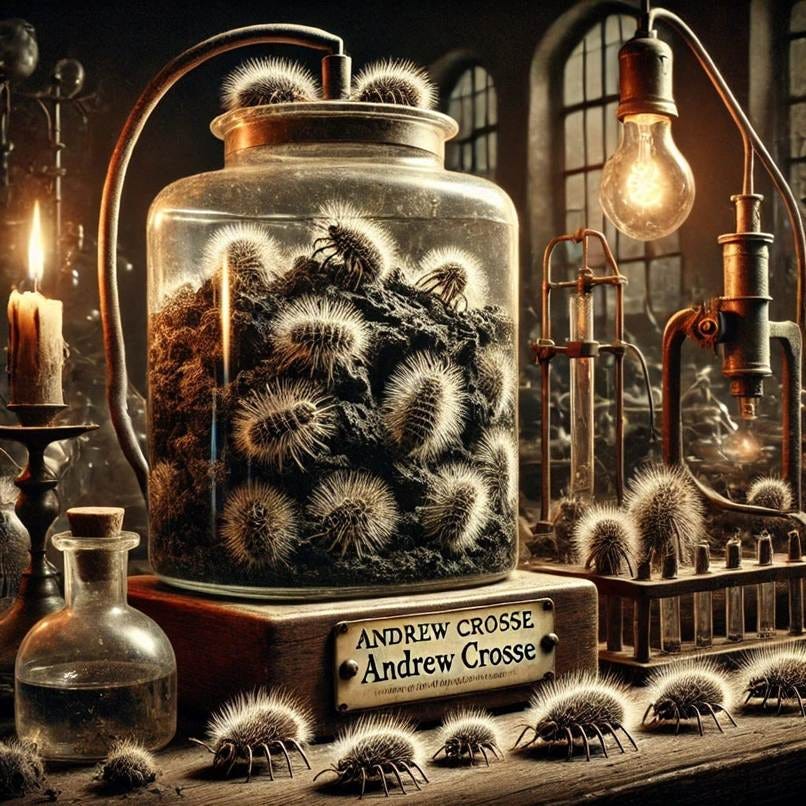
Crosse’s methodology drew intense scrutiny. The prevailing explanation was that the acari came from airborne eggs inadvertently introduced. Yet Crosse’s own account answered it: he examined several hundred vessels filled with the same water, and the dusty crevices of the room, and found no trace of the insect. The acari’s developmental stages mirrored crystalline growth patterns before finally taking animal form. This ambiguous interplay between mineral and biological processes intrigued some contemporaries. W. H. Weekes of Sandwich repeated the experiment with every precaution he could devise for sterility; after about a year and a half of electrification the acari appeared, while his identical apparatus without current produced none. In 1837 Michael Faraday stated that similar appearances had arisen in his own experiments, though he could not say whether to call them production or revivification. Crosse himself refrained from claiming spontaneous generation, writing, “I never ventured an opinion as to the cause of their birth, and for a very good reason: I was unable to form one.” He humbly presented the facts without drawing grand conclusions. Nevertheless, the experiment’s broader implications aligned with hylozoist principles, which posit that life-potential lies dormant within matter, ready to be activated by suitable environmental stimuli. As Aristotle speculated in Generation of Animals, a vital heat (pneuma) inherent in elemental matter could catalyze life under the right conditions. Crosse’s electrified solution—a matrix of silica, salts, and electric current—may have functioned as a proto-cellular scaffold, enabling the mites’ morphogenesis through mechanisms not entirely unlike modern hypotheses of clay-crystal life templates or hydrothermal vent chemistry.
Henry Charlton Bastian and the Doctrine of Archebiosis
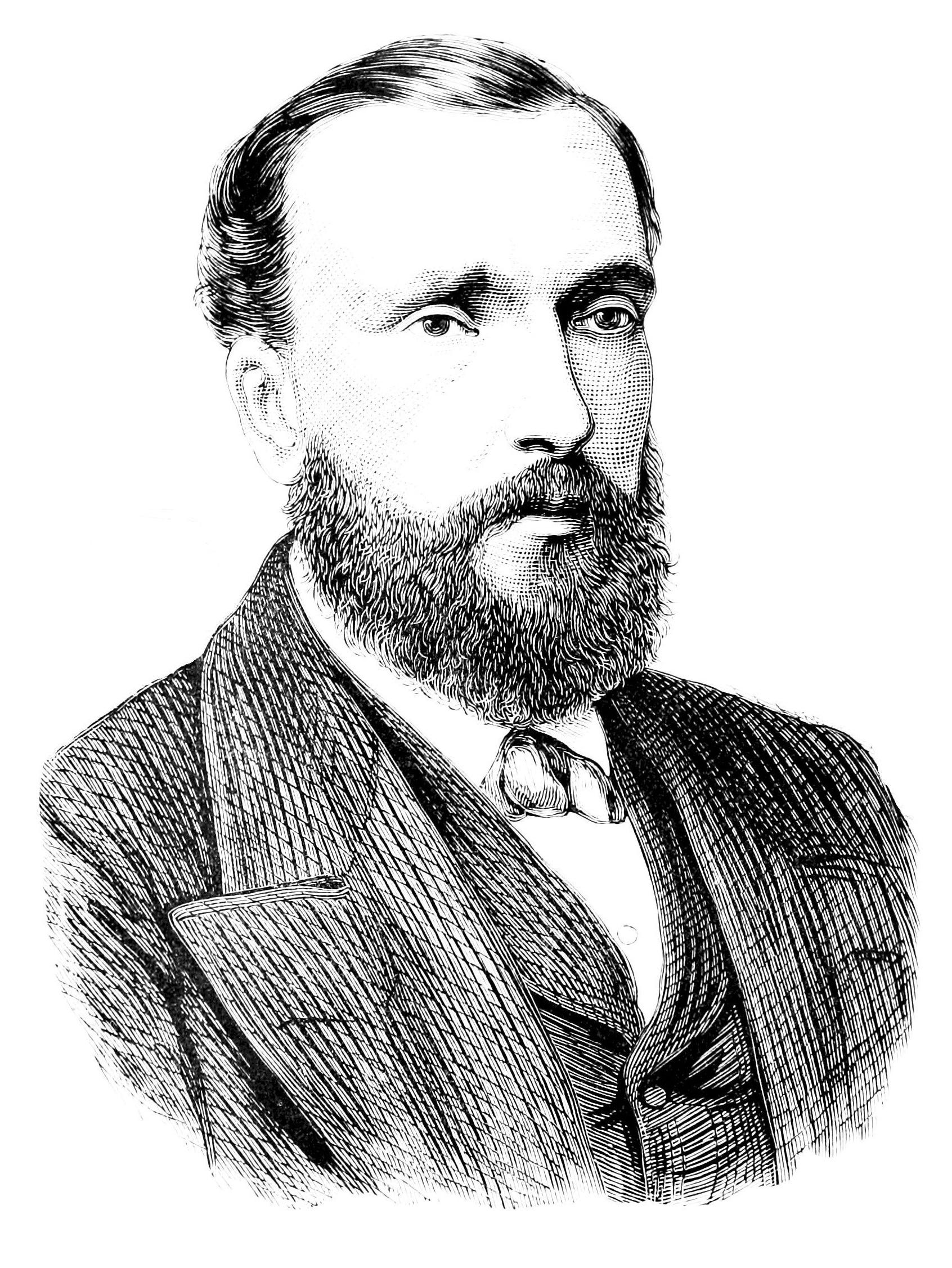
Henry Charlton Bastian’s mid-19th-century work on archebiosis (spontaneous generation) emerged amidst fierce debates between Pasteur’s germ theory advocates and those who, like Bastian, held out for the possibility of life arising anew from non-life. Bastian’s 1871 treatise The Modes of Origin of Lowest Organisms detailed experiments in which sterilized hay infusions, sealed in flasks and heated well above boiling, nevertheless developed abundant microbial life—proving that life could arise de novo from nonliving organic matter. He named the de novo origin of living matter archebiosis, and coined heterogenesis for the production, by living matter, of forms unlike itself. Bastian’s persistence in defending archebiosis against Louis Pasteur and John Tyndall reflected deeper philosophical commitments. Rejecting the reduction of life to mere mechanistic chemistry, he posited that organic matter inherently holds the capacity to organize itself into living matter under conducive conditions—a view mirroring hylozoist tenets.
Bastian set out his full case in The Beginnings of Life (1872), two volumes built on his own flasks and microscope. The argument begins in the preface. Bacteria die at 140°F, “yet similar organisms will constantly appear and rapidly multiply within closed flasks containing organic fluids, although the flasks and their contents have been previously exposed for some time to a temperature of 212° F.” He fixed that limit by experiment. He chose a solution of neutral ammonic tartrate and sodic phosphate, in which Bacteria thrive, inoculated it with living Bacteria, Vibriones and Torulæ, sealed the flasks while boiling, and then held each for ten minutes at a set temperature. The flasks heated to 122° and 131°F turned turbid with myriads of organisms within days. Those heated to 140°, 149°, 158° and 167°F stayed perfectly clear for two weeks, and turned turbid within two days once living Bacteria were added to them afresh, proof that the fluid could still nourish life and that the heat alone had killed the first organisms. Four hours at 118°–127°F served as well as ten minutes at 140°F (i. 325–331). He tested the heat on his own hand: in water at 131°F his fingers came out, “in spite of my desires,” in under twenty-five seconds.
With the limit of life established, Bastian carried his fluids far beyond it. He drew the neck of each flask into a fine capillary, boiled the contents for ten to twenty minutes so that the steam drove out the air, and sealed the capillary with a blowpipe flame during ebullition, leaving a vacuum over the fluid. For a further series the chemist Edward Frankland exhausted the tubes with a Sprengel mercurial pump, sealed them, and held them in his wrought-iron Papin’s digester between 146° and 153°C for four hours. The productive flasks had all been raised to 270°–307°F (132°–153°C); those taken to 327° and 464°F stayed barren (i. 437–440). Opened weeks and months later, the superheated flasks held Bacteria, Torulæ, Monads, Amœbæ and fungus filaments bearing spores. The Pavia physicist Giovanni Cantoni, whose sealed flasks had yielded Vibrios after heating to 117°C, put the question Bastian quoted: why should invisible germs need far more heat to kill than their parents, and why should that heat change from one fluid to the next? Bastian’s answer was the plain one. The progenitors of the new brood “must have been evolved de novo within the previously superheated flasks.”
The heart of the book is what each kind of fluid produced. Pasteur had laid down a rule: boiled acid infusions stay sterile, neutral or slightly alkaline ones may yield organisms, and the difference lies in germs that survive boiling in alkaline fluids. Bastian repeated the comparison and found the difference in the fluids themselves. He divided a strong infusion of mutton between two flasks, made one faintly acid with three drops of acetic acid, and set them side by side at 75°–80°F. Within forty-eight hours the neutral half was opaque, with a pellicle on its surface, and “teeming with plastide-particles, and most actively moving Bacteria and Vibriones”; the acid half stayed perfectly clear (i. 387–388). Neutral and alkaline fluids ferment readily, and acidity holds the change back. He then sealed acid fluids in vacuo after boiling and obtained life from them as well, and here the stream took another course. Acid fluids ran toward Torulæ and fungi, and the sediments of acid infusions often proved to be made wholly of vegetating Torula cells (i. 280, 344).
His plates record these streams solution by solution. A strongly acid infusion of hay with carbolic acid gave Torula cells of every shape, large nucleated bodies, and algoid filaments with segmented contents. Slightly acid ferric and ammonic citrate gave Bacteria, Leptothrix filaments and faintly green Torulæ. Acid alum with tartar emetic gave a fungus. An acid infusion of common cress gave creeping Protamœbæ, Monads and Torulæ. Slightly acid ammonic tartrate with sodic phosphate gave the packet-forming Sarcina, which “appears to be always produced in slightly acid fluids.” Turnip infusion, naturally slightly acid, became one of his most productive fluids once he neutralized it with liquor potassæ. After 270°–275°F it held thousands of Bacteria, beaded chains, Torulæ, nucleated spores from the minutest specks upward, and a fungus mycelium bearing spores, and by then the fluid itself had turned decidedly acid (i. 287, 356–371, 441–447).
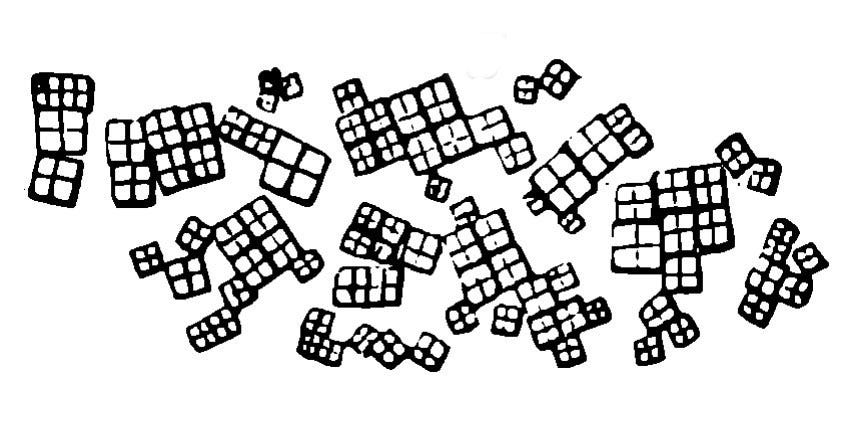
Two of his observations speak directly to this article. In about two hundred experiments with heated fluids in closed vessels, Bastian met green protoplasm five times, and each time a salt of iron was one of the ingredients. From solutions of iron and ammonic citrate came bright green bodies like Pediastreæ and the simplest Desmids, which he linked to the place of iron in chlorophyll (i. 448–453; ii. 157). The second came on a June night, in a watch-glass of ammonic sesquicarbonate, an alkaline salt, dissolved in ordinary water and sheltered under an inverted tumbler. For forty-eight hours the glass held only tiny crystals. Then, on a sultry day of 85°F with a thunderstorm building from morning and breaking at seven in the evening, he found more than a thousand spore-like bodies developing in place, from the minutest visible speck to nucleated spheres. Colonies of Bacteria followed within a day, and Torulæ after that. Bastian judged the observation “sufficiently suggestive as to the possible influence of electrical conditions in promoting evolutional, or developmental changes” (i. 288–291), a sentence Andrew Crosse could have written.
From hundreds of such flasks Bastian drew a developmental continuum. The series “commences with the mere speck of living matter” and “thence proceeds through such forms as the Bacterium, the Vibrio, the Leptothrix filament, and the mycelial filament of a microscopic fungus,” which may then fruit and bear spores. Torula cells and other fungus germs also begin as specks and grow straight into spores. The primordial specks themselves he called plastide-particles, “plastic to the full, and capable of growing into such forms as their environing conditions may determine” (i. Appendix B). Half a century later Enderlein would chart the same ascent as cyclogeny. Bastian followed it even into crystals. He examined the solid crystals of eight saline compounds under a powerful lens; seven were clear, and inside the large prismatic crystals of neutral ammonic tartrate he found confervoid filaments and spores, living units, he judged, that had grown within the crystal from a speck. These ammonium salts hold every element needed to build organic substance, and “only require to fall or to be brought into other modes of collocation in order to give birth to an organizable compound.”
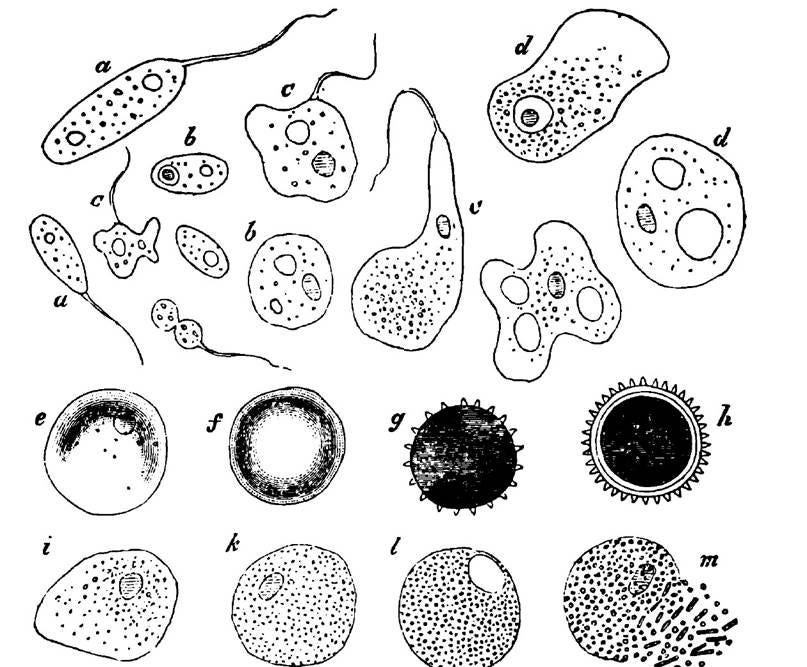
He watched these changes happen under the lens. He made an infusion of hay at 120°–130°F, kept it at that heat for three hours, and set it under a bell-jar. Within three days a pellicle of Bacteria covered the fluid, with whitish “embryonal areas” forming in the film. These areas segmented into active Monas lens, each with its lashing flagellum. By the sixth day many Monads had shed their flagella and become Amœbæ, and he watched single organisms alternate between the two forms: the Monad came to rest, put out amœboid processes, then resumed its flagellum and darted off. By the tenth day the Amœbæ were encysting. He moved part of the pellicle onto fresh hay infusion, and by the sixteenth day the languid, granular Amœbæ were resolving into Bacteria, the particles within them being “new living units which gradually developed into Bacteria” (ii. 215–222). Bastian named the two directions of this traffic. Synthetic heterogenesis is the rise of larger, more complex forms by fusion and rearrangement of the simplest living units; analytic heterogenesis is the appearance of the simplest forms within the bodies of other organisms.
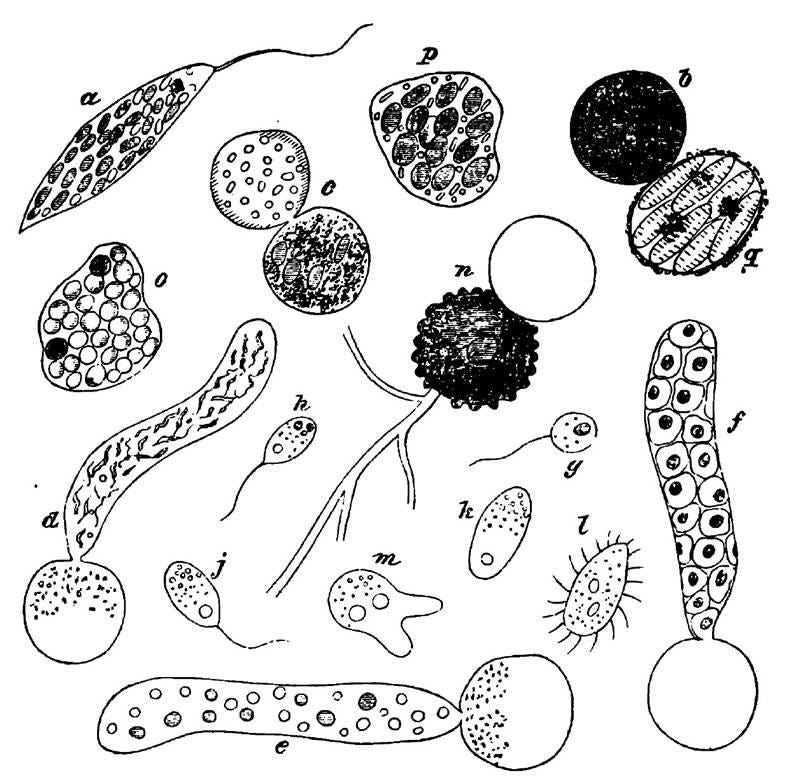
The third part of the book carries heterogenesis up to animals with organs, and here Bastian wrote as a specialist: his anatomy of the Nematoid worms had appeared in the Philosophical Transactions in 1866. In his own vessels he saw encysted Euglenæ resolve into Monads, Amœbæ, fungus sporangia, algoid corpuscles, Bacteria and Diatoms. He saw Euglenæ grow into confervoid filaments of the Cladophora and Vaucheria type: “This I have seen myself on several occasions.” He watched encysted Euglenæ, packed side by side in a tessellated pellicle, lose their green and emerge as Vorticellæ and other ciliated Infusoria. A large green Chlorococcus vesicle turned orange-brown and shaped itself into the embryo of a Rotifer, Diglena catellina, and the decolorized spores of the alga Vaucheria segmented into worm-like embryos that grew into adult Nematoids and laid eggs, eggs far smaller than the cysts their parents came from (ii. 438–531). For Euglenæ becoming Desmids, Pediastreæ, Rotifers and Nematoids by other routes, he cited the memoir of Dr. Gros in the Bulletin of the Moscow Society of Naturalists, published more than twenty years earlier, and marked plainly which observations were Gros’s: “I have seen none of the very large Euglenæ described by Dr. Gros.”
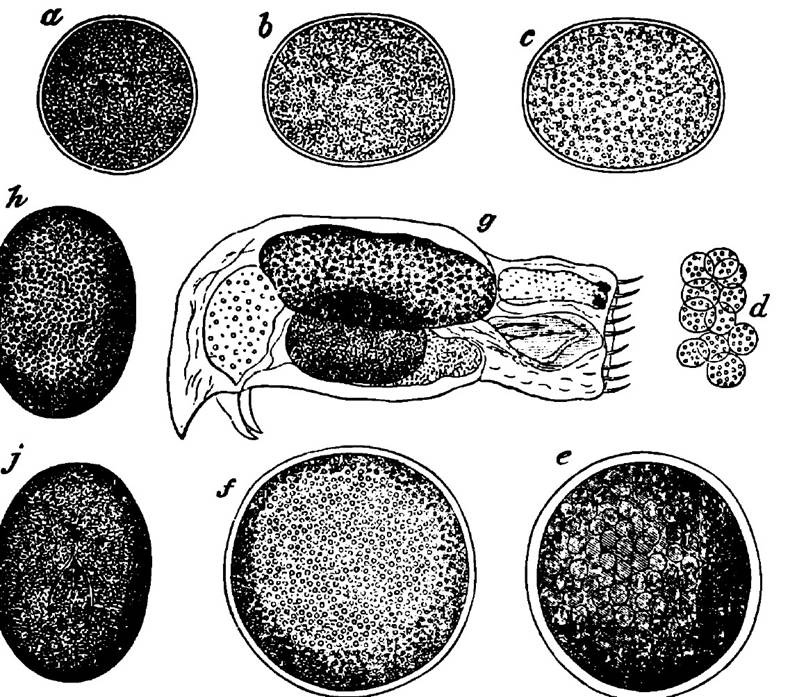
From all this Bastian drew his boldest idea. The lowest forms of life, he wrote, “form an enormous and ever-growing plexus of vegetal and animal organisms,” where “Heterogenesis is constantly encountered, and variability reigns supreme.” Species in the ordinary sense begin higher up, where sexual generation appears and recurs. Below lie “essentially transitory and variable forms, which I have proposed to name ‘Ephemeromorphs’” (i. xiv). This plexus “is itself being constantly reinforced from the inorganic world,” and in it “laws of ‘polarity’ alone seem to prevail in determining the form and structure” of each organism (ii. 568–572). The ephemeromorphs answer to their conditions directly, as crystals do, ahead of any work of Natural Selection. Bastian’s picture is a continual ascent: mineral matter rising into a living plexus, and from that plexus the stable species drawn off. It is hylozoism in the language of the Victorian microscope.
Modern extremophile research provides context for Bastian’s findings. For example, Thermoplasma archaea, discovered in 1970, thrive in acidic ~60°C environments akin to Bastian’s heated infusions, breathing elemental sulfur in place of oxygen. Similarly, laboratory studies have shown that self-assembling lipid vesicles can form in sterile, hot mineral water, hinting that cell-like structures arise abiotically. Such findings suggest that the transition from prebiotic chemistry to life may involve stages that Bastian intuited as “albuminoid” precursors. Bastian’s insistence on life’s permeability with nonliving matter resonates with contemporary origins-of-life research. Thomas Huxley’s 1868 lecture “On the Physical Basis of Life” had framed the question, and Bastian’s archebiosis forced a reckoning with it, challenging the rigid ontological separation of biology from chemistry. In spirit, Bastian was asserting that the potential for life is woven into matter itself, waiting for the right conditions to unfold.
Antoine Béchamp’s Microzymas – Life’s Indestructible Building Blocks
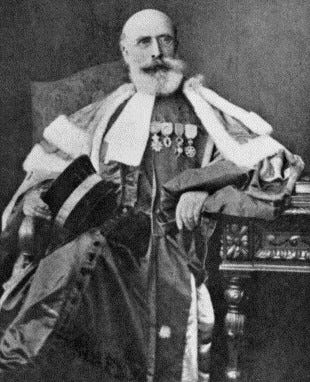
In the late 19th century, French chemist Antoine Béchamp observed tiny “molecular granulations” in fermenting solutions and living tissues, which he deemed the elementary units of life. He named these particles microzymas (“small ferments”), crediting them with producing enzymes and even new cells, and he regarded them as more fundamental than cells themselves. Béchamp’s experiments showed microzymas to be nearly indestructible seeds of life: he found them in soil, air, and even ancient geologic materials. For example, ordinary commercial chalk—laden with microzymas—could ferment sugar and starch even in creosoted solutions, while chemically pure calcium carbonate could not. Under the microscope, the commercial chalk teemed with “little bodies” that were absent in the pure carbonate, implying that living microzymas persisted in the rock. In 1865 Béchamp wrote to the chemist Dumas: “I believe that they are the remainders, organized and still living, of organisms who lived in distant eras.” He buried the body of a newborn cat in chemically pure, creosoted carbonate of lime, in a jar open to the air and closed to dust, and reported the result at Nantes in 1875. After seven years “only a few fragments of its bones remained; everything else, even the hair, had disappeared,” and where the body had lain the carbonate looked like chalk under the microscope, full of microzymas: an artificial chalk. He concluded that microzymas populate all organisms (and even the environment) and survive extreme conditions—enduring beyond the death of a host to decompose it, and potentially initiating new life cycles elsewhere. In Béchamp’s view, these omnipresent microzymas form the base of all biological organization, the “builders and destroyers” of higher life.
Pierre Jacques Antoine Béchamp (1816–1908) was a pharmacist, chemist and physician who taught at Strasbourg, held the chair of medical chemistry at Montpellier, and closed his career as dean of the Catholic faculty of medicine at Lille. His road to the microzymas began with sugar water. In May 1854 he set solutions of pure cane sugar aside in closed flasks with a small volume of air. Over the following months molds appeared, the sugar inverted, and the liquor reddened litmus paper: it had turned acid. Where he had first added a little creosote or a trace of mercuric chloride, the solution stayed sweet, neutral and clear, and with chloride of calcium or of zinc it stayed clear as well; certain purely mineral salts, even arsenious acid, “had the effect of increasing the harvest and of singularly hastening the inversion.” The molds built their nitrogenous substance from the nitrogen of the air left in the flask. Fermentation, he concluded, is nutrition carried on within the ferment, and in 1864 he gave the name zymase to the soluble ferment that does the work (The Blood and its Third Anatomical Element, 1912).
In 1866 he gave the granules of chalk their name, microzymas, in the Comptes Rendus. Living in rock laid down over the ages, they were to him “geological organised ferments,” which “testify perhaps that in those remote times things happened as they do today.” What they became depended on where they fell. Airborne microzymas settling on starch with carbonate of lime grew into bacteria; on starch alone, they gave bacteria together with mycelial molds; on sugar water, which sours as it ferments, they gave molds. The microzymas of the mother of vinegar passed by stages into bacteria, jointed bacteria, bacteridia and Leptothrix threads; set in sweetened yeast broth, the same microzymas built cells instead. “The appearance of bacteria excludes the formation of cells proper, and vice versa” (Les Microzymas, 1883).

He followed the transformation step by step. When a yeast cell dissolved in starch paste, its microzymas went free and evolved: first scarcely altered, then coupled “in the form of a figure 8,” then chaplets of three to twenty grains, then vibrios, then bacteria, often very large, together with Trécul’s amylobacters. Left under the same conditions, the series ran back down. The large forms vanished, smaller forms came and went, and at the end there remained “only swarms of motile forms scarcely differing from the original microzymas.” In his words, “the microzymas become vibrioniens by evolution; the vibrios, the bacteria, the vibrioniens in general, return to the microzymian form by an inverse phenomenon of evolution.” He called the ascent vibrionian evolution. Each way-station already carried a species name, monas, Bacterium termo, coccus, diplococcus, torula, streptococcus, micrococcus, and Béchamp asked what such names were worth, “being based only upon the shape, the length and thickness, the color, and the motility or immotility of the object specified.” The dose of creosote set the course: with a little, the microzymas evolved; with enough, they stayed microzymas.
The medium governs function as well as form. Shake a fresh egg until white and yolk mingle, and the egg, alkaline before, turns acid; it ferments to alcohol, acetic and butyric acids with a gamey smell, distinct from rot, because the microzymas of the white, thrown into the yolk, now feed on materials meant for others. “The same microzyma, free or enclosed in a cellule, acts in the former condition as a lactic or butyric ferment, in the latter as an alcoholic ferment.” From all this Béchamp drew the conclusion that makes him a hylozoist in all but name. The microzyma “is at the commencement of all organization,” and the microzymas of the destroyed bacteria, still living, are “the living end of all organization.” The cell can die; the microzyma can only change, being “physiologically imperishable.” At the head of his book on the blood he set three maxims, Galileo’s, Lavoisier’s and his own: “Nothing is the prey of death; all things are the prey of life.” Bastian, his contemporary, traced each new form to matter organizing itself afresh; Béchamp traced it to a living granule already present. Both watched the same ladder of forms rise and fall with the medium.
From this perspective, disease does not invade from without but arises when unfavorable conditions “morbidly evolve” an organism’s native microzymas into pathogenic microbes. A healthy terrain (the internal bodily environment) keeps microzymas benign, while a toxic or imbalanced terrain triggers them to pleomorphose into bacteria that break down tissues – essentially a last-resort recycling program in sick or deceased organisms. This radical theory of microzymian pleomorphism directly opposed Pasteur’s germ theory (which held microbes as external invaders) and also challenged the emerging cell theory by positing units smaller and more primary than cells. Béchamp’s emphasis on the host environment – the terrain – in governing microbial behavior found its vindication a century later in the study of the human microbiome and disease ecology. Modern medicine now acknowledges that the balance of our internal microbial ecosystem is crucial to health: the slogan “the microbe is nothing; the terrain is everything” (often attributed to Béchamp) encapsulates a truth recognized in how opportunistic infections arise from imbalance rather than mere exposure. Béchamp’s broader notion—that host conditions determine the expression of microscopic life—stands affirmed.
Günther Enderlein’s Protits and Cyclogeny – Microbial Cycles and Terrain
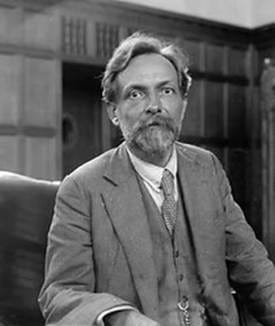
Building on Béchamp’s ideas, German zoologist Günther Enderlein (1872–1968) spent decades in the early 20th century studying pleomorphism and what he termed cyclogeny – the full life-cycle of microorganisms under changing conditions. Enderlein identified tiny proteinaceous particles present in all organisms’ blood and tissues, corresponding to Béchamp’s microzymas. He called them protits (also endobionts or symbionts), measuring only ~1–10 nm in size. In Enderlein’s model, every person harbors these primitive protits in symbiotic balance. In a healthy host with alkaline pH and a strong terrain, protits remain small and harmless – even necessary for normal physiology. However, if the internal environment becomes imbalanced (excess acidity, toxicity, poor nutrition, or even negative mental states), the protits begin to develop into larger forms. They gather into symprotits and threadlike chondrits, build the first cells, and rise into full-fledged bacteria and fungi. Enderlein mapped out a complex pleomorphic cycle for these organisms, from tiny apathogenic forms (protit → symprotit → chondrit, etc.) up to pathogenic bacteria and even fungal mycelial forms. He observed, for example, that a harmless endobiont normally found in blood could, under acidic conditions, spawn disease-causing forms – Mucor racemosus fungi in the case of cancer, Aspergillus niger in tuberculosis, or other microbes in rheumatic disease. Crucially, Enderlein insisted this process was reversible: improving the terrain could “downgrade” the microbes back to innocuous protits. He even developed biological remedies (later produced by the firm Sanum-Kehlbeck), homeopathic “symbiont” preparations like Mucokehl and Utilin, aimed at flooding the body with benign protits to merge with and neutralize the pathogenic forms.
Enderlein came to the microbe from the insect. Born in Leipzig in 1872 to a family of teachers, he took his degree in zoology summa cum laude, became curator at the Berlin Zoological Museum, and wrote some five hundred scientific papers, most of them in entomology. In 1915, studying spotted fever under the dark-field microscope, he saw minute, flagellated, highly mobile forms unite with the nuclei of larger bacteria of the same species, after which the bacteria dissolved back into their primitive stages. He named these male elements Spermits, and their female counterparts Oits, and published the discovery in 1916. His Bakterien-Cyclogenie followed in 1925. The constant inner companion of every mammal he named the Endobiont, whose culminating form is the fungus Mucor racemosus Fresen.
Enderlein gave the dependence of form on medium the force of a law. His Anartatic Basic Law states that the ascent of a microbe from its primitive colloidal phases into higher ones depends on the falling pH of the medium in which it lives: “The ascent of the overall Cyclode from Chondrit to Culminante is … for all microorganisms essentially the descent from a high pH, i.e. from alkaline to acidic conditions.” The primitive phases require a strongly alkaline medium, the bacterial phases a weakly alkaline one, the fungal phases an acid one, and each microbe makes its own acid as it climbs, Aspergillus niger citric acid and Mucor racemosus lactic acid. At a constant pH the microbe holds a single form. Enderlein called this locking of the medium Mochlosis, and its release Mochlolysis, which temperature, light, and physical, chemical or electrical influences can bring about. The descent runs easily: place bacterial matter or a piece of fungal mycelium in a hanging drop of five percent sodium carbonate, strongly alkaline, “and one can immediately observe the formation of the primitive stages.” Bastian’s acid infusions ran toward Torulæ and fungi, Béchamp’s souring sugar water toward molds; Enderlein’s law gathers both into one gradient.
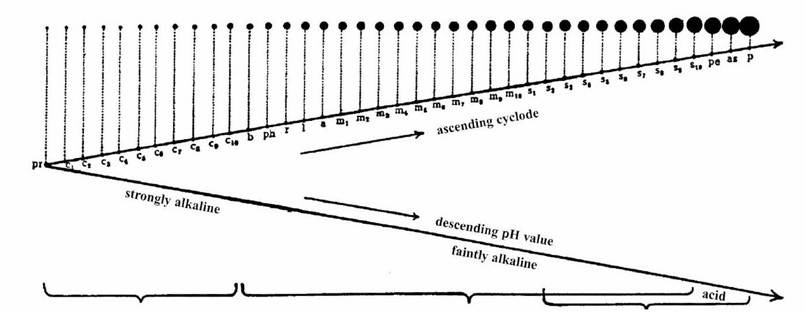
He named every stage, in Greek. Protits, the colloids of life, gather into Symprotits and threadlike Chondrits. A Symprotit that wraps itself in layers of reserve colloids becomes the first cell, the Mychit, and the Symprotit itself its nucleus, the Mych. Mychits join into rods of two, four, eight, sixteen and thirty-two units, the Basit, Phytit, Rhabdit, Linit and Ascit, and these “transit smoothly” into the fungal threads of the Synascit and on to the Culminante, the fruiting form. One and the same species, he found, can show gram-positive and gram-negative Mychits side by side. The platelets of the blood he identified as a stage of the Endobiont, which he called the Thecit. And the Endobiont knows what it does: the physician Maria-M. Bleker, who compiled his work, reports that Enderlein accorded it a “cosmic consciousness,” without which its role in the human and animal body would be inexplicable.
Like Béchamp, Enderlein held that these smallest life-units are essentially immortal. After a host’s death, protits survive and exit into the environment, where they assist in decomposing the body and can later be taken up by other hosts. In 1925, in Das Ende der Herrschaft der Zelle (“The End of the Cell’s Reign”), he set the protit in place of the cell as the smallest unit of life. Modern observers note the uncanny parallel to bacterial endospores or other resilient microorganisms. Bleker puts it plainly: “they are practically immortal, they outlive us.” Mucor racemosus, the fungal culmination of the Endobiont, is the classic fungus of fermentation and putrefaction, present in every tomb and crypt. Enderlein’s work illustrates a sweeping vision of life’s continuum: microbes as shape-shifters cycling between benign and pathogenic states depending on the host terrain. This concept of pleomorphic cycles set the stage for later researchers who observed similar phenomena with advanced optics.
Royal Raymond Rife’s Resonant Frequency Experiments – Shattering Pathogens and Dogma
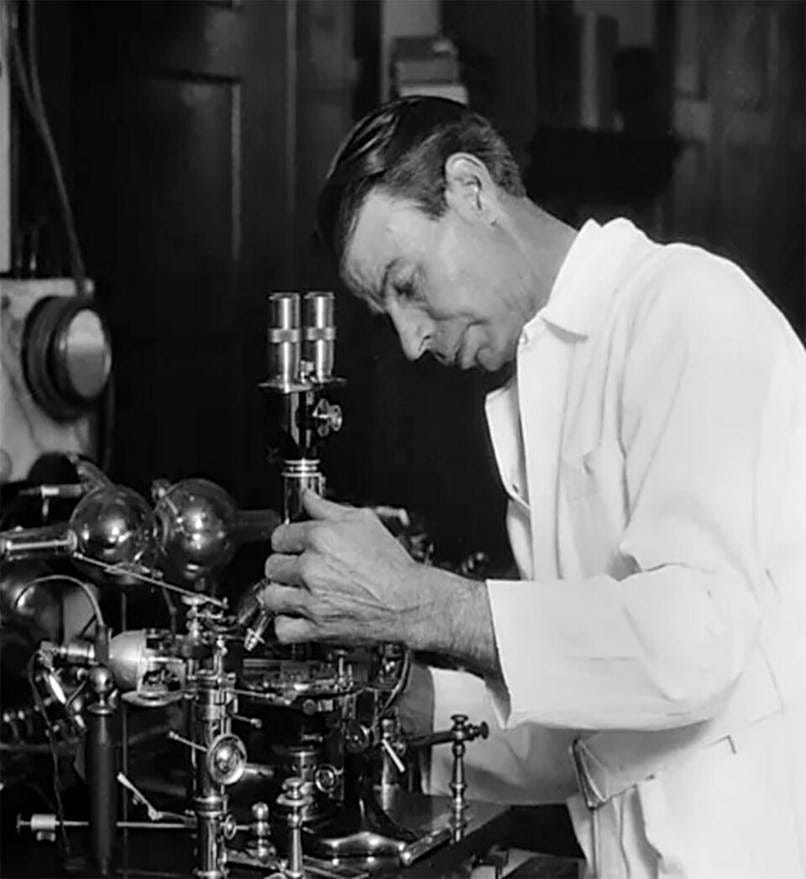
By the 1930s, American inventor Royal Raymond Rife took the idea of pleomorphism into the realm of technology. Rife designed super-microscopes, surpassing the theoretical limitations of ordinary light microscopes, capable of visualizing live microbes at extraordinary magnifications (up to 60,000x), allowing him to watch microbes change form and size in real time. He became convinced that diseases like cancer were caused by ultra-tiny pleomorphic organisms (which he named “BX” for the carcinoma agent, “BY” for the sarcoma agent, etc.), invisible to standard microscopes. In an era dominated by the fixed germ theory (one germ – one disease), Rife’s observations were heretical – but he didn’t stop there.
Royal Raymond Rife (1888–1971) worked in San Diego and built five microscopes between 1920 and 1933. The largest, the Universal of 1933, magnified 60,000 diameters and resolved 31,000 by the measures of the time. Magnification is how much larger the image appears to the eye; resolution is the finest separation at which two points still show as two. Past 31,000 diameters the image grew larger without growing finer in detail, so the resolution is the true measure of what Rife could see. Its secret lay in the light. Rife passed his illumination through quartz prisms and tuned a monochromatic beam to the organism under study: “The viruses were stained with a frequency of light that coordinates with the chemical constituents of the particle or micro-organism under observation.” Each organism lit itself in its own color, whatever the medium it grew in. In the words of the Smithsonian report on the instrument (1944), the virus of Bacillus typhosus “is always a turquoise blue, the Bacillus coli always mahogany colored, the Mycobacterium leprae always a ruby shade,” the filter-passing form of tuberculosis emerald green, and the virus of cancer purplish red.
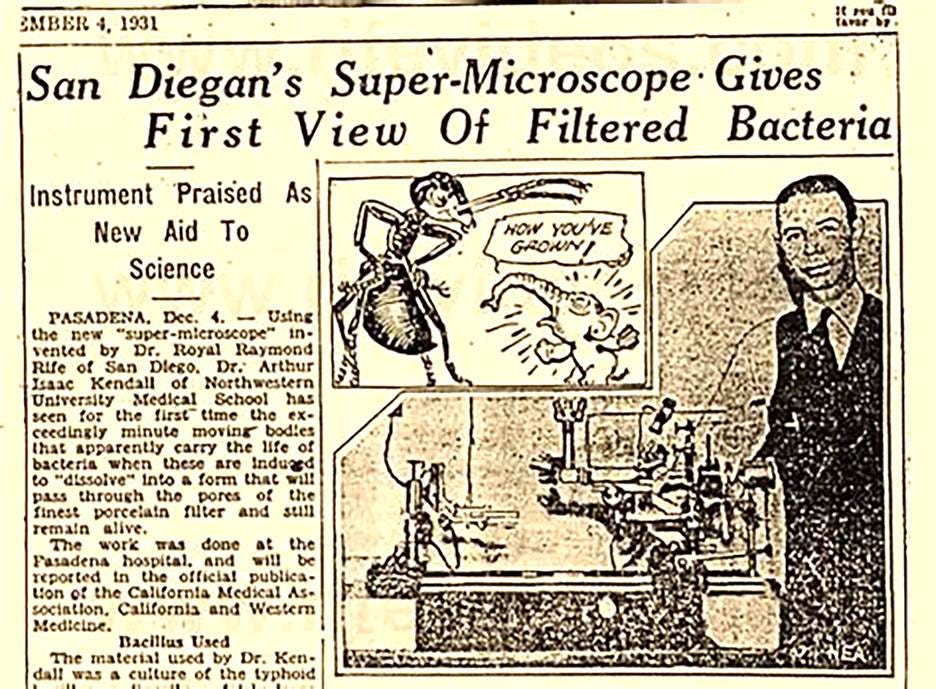
In November 1931 the bacteriologist Arthur Kendall of Northwestern University brought his K Medium, desiccated pig intestine in Tyrode salt solution, to Rife’s laboratory. A typhoid bacillus grown in it was passed three times through the finest filter available, and under Rife’s microscope the filtrate showed “small, oval, actively motile, bright turquoise-blue bodies” at 5,000 diameters, against the colorless debris of the medium. In the same culture Rife could see the full-sized bacillus, intermediate forms, and the turquoise bodies, the size of a virus and still the typhoid organism. The tests were repeated eighteen times, and Science News reported them on 11 December 1931 under the heading “Filtrable Bodies Seen With the Rife Microscope.”
Rife turned the method on cancer. In 1932 he cultured an unulcerated breast mass in K Medium, and the organism revealed itself after a chance exposure: a culture tube left for twenty-four hours within a loop of tubing filled with argon gas and lit by an electric current of 5,000 volts. After this treatment and a further twenty-four hours in a vacuum water bath at 37.5°C, filter-passing purple-red granules appeared, the BX virus of carcinoma. Rife and his assistant E. S. Free repeated the procedure 104 times with identical results. The organism proved to have four forms: BX of carcinoma; BY of sarcoma, larger than BX; a monococcoid form living in the monocytes of the blood of more than ninety percent of cancer patients; and a fungus, Cryptomyces pleomorphia. The medium decided which appeared. O. Cameron Gruner of Montreal had grown a fungus from the blood of cancer patients on an asparagus medium; Rife placed Gruner’s fungus in K Medium and filtered BX from it, then planted BX on the asparagus medium and raised Gruner’s fungus. “This BX virus can be readily changed into different forms of its life cycle by the media upon which it is grown,” Rife wrote in 1953. “Any of these forms can be changed back to ‘BX’ within a period of 36 hours,” and the process had been “duplicated over 300 times.” Kept dormant for a year and planted back on its own asparagus base, the stock culture of the fungus yielded something else again: “a bacillus coli that will pass any known laboratory methods of analysis.” A cancer organism, by way of a fungus, had become a common intestinal bacterium.
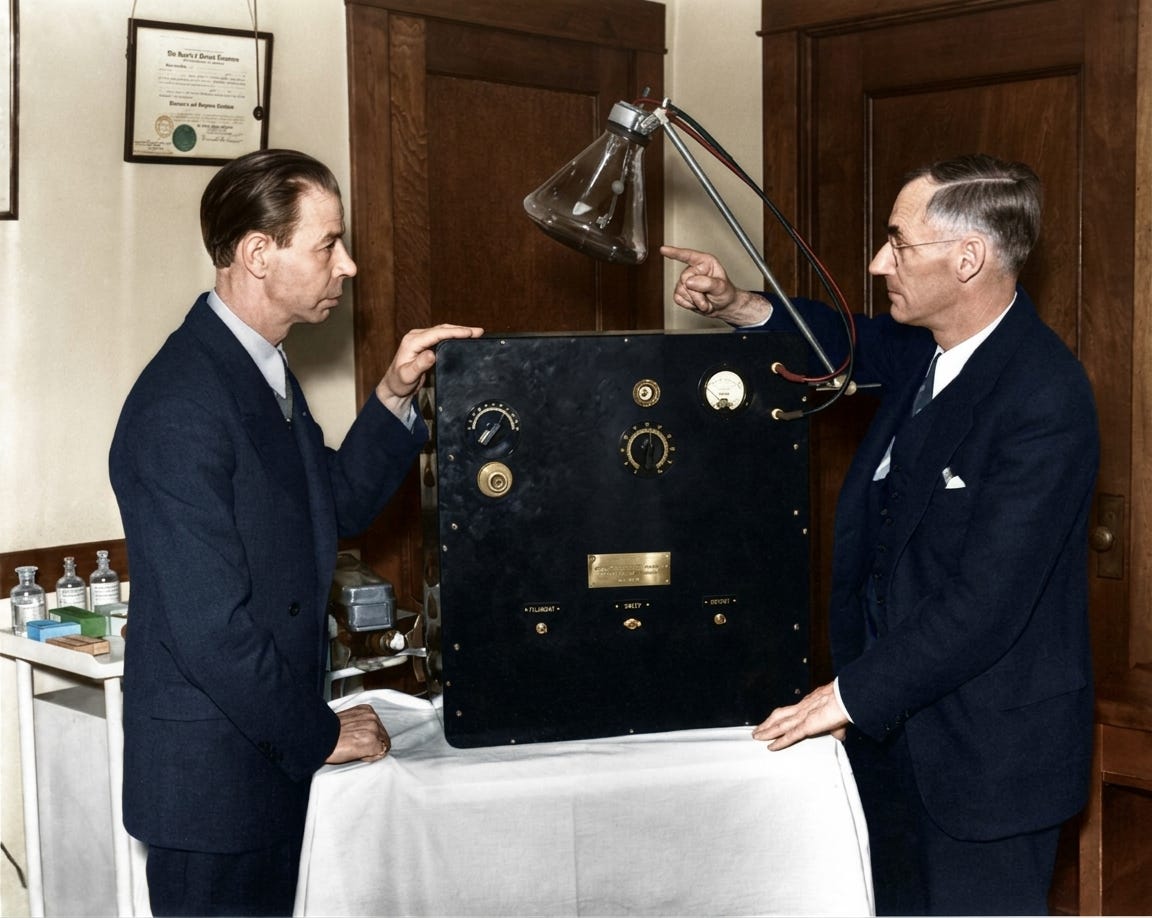
Famously, Rife also developed an oscillating beam ray device to bombard microbes with electromagnetic frequencies. He discovered that each microorganism has a particular “mortal oscillatory rate” (MOR) – a resonance frequency that, when precisely tuned to the microbe, would literally disrupt and destroy it. By 1934, Rife had compiled a list of specific radio frequencies that devitalized various bacteria, viruses, and even cancer cells. In effect, Rife killed pathogens with vibrational energy, shattering them like a wineglass resonating to a fatal note. In a highly publicized 1934 clinical demonstration in California, Rife and colleagues applied his frequency therapy to 16 terminal cancer patients; after three months the clinic’s five physicians and its pathologist, Alvin G. Foord, signed off fourteen of these so-called hopeless cases as clinically cured. Each treatment lasted three minutes at the mortal oscillatory rate of BX, given every third day. Equally startling was Rife’s confirmation of pleomorphism: he observed a cancer-causing microbe change form under different conditions, proof that the postulate of invariable bacterial forms has to be abandoned. This directly challenged Pasteur’s dogma, coming from an inventor using physics rather than chemistry.
Rife drew the terrain conclusion himself: “In reality, it is not the bacteria themselves that produce the disease, but the chemical constituents of these micro-organisms enacting upon the unbalanced cell metabolism of the human body that in actuality produce the disease. We also believe if the metabolism of the human body is perfectly balanced or poised, it is susceptible to no disease.” His discovery also turned on electricity. An ionizing current through argon gas brought the cancer organism into visibility, as Crosse’s current brought forth his acari and Bastian’s thunderstorm his spores.
Rife’s work was suppressed – the American Medical Association and others rejected his findings, and by the late 1930s his lab was dismantled amid legal battles. Nonetheless, the idea of resonant frequency treatment lived on in the “Rife machines” built by his followers. And modern science has quietly vindicated parts of Rife’s vision: researchers have since demonstrated that certain frequencies can indeed selectively inactivate microbes (for example, ultrasound or specific electromagnetic fields can disrupt bacterial membranes). He not only believed microbes could shape-shift; he aimed to obliterate their disease forms by vibrational resonance. The ongoing exploration of bioelectrical and bioresonance treatments – and the known variability of microbial forms – keeps his spirit alive in the annals of “terrain-centric” theory.
Yet there seemed to be a missing piece in understanding how Rife’s beam tube achieved its effects. The simplest interpretation of Rife’s work is that blasting a pathogen with its resonant frequency causes it to shatter (like the proverbial opera singer breaking a glass). But one of Rife’s contemporaries, the engineer Georges Lakhovsky, offered a complementary insight. Lakhovsky, inventor of the Multiple Wave Oscillator, argued that one should not merely kill microbes but strengthen the host’s cells. “The remedy, in my opinion, is not to kill the microbes... but to reinforce the oscillations of the cell... by means of the proper rays,” he wrote. In other words, Lakhovsky believed that broadcasting a spectrum of resonant frequencies could invigorate the body’s own cells and immune system, thereby indirectly eliminating pathogens. It’s possible that Rife’s plasma-tube device, which produced a broad range of harmonic frequencies through an ionized gas, did more than just shatter microbes – it may have acted like a mini multiple-wave oscillator, strengthening the entire system around the targeted frequency. Indeed, both Rife and Lakhovsky achieved notable success against cancers with different techniques yet perhaps a common principle: restoring the host’s vibratory harmony. This convergence hints that the efficacy of such approaches might lie in resonantly rebalancing the living terrain, not merely destroying invaders. After all, if the pathogen is created by the terrain, just eliminating it doesn’t necessarily change the terrain conditions, but elimination of the pathogen allows for beneficial alteration of the condition.
Gaston Naessens’ Somatids and the 16-Stage “Cycle of Life”
In the 1970s, French-Canadian biologist Gaston Naessens carried the pleomorphism torch into modern times with his invention of the Somatoscope, a powerful light microscope that achieves magnifications of 30,000× on live blood. With this tool, Naessens observed tiny moving particles in blood plasma, smaller than any cells – essentially the same entities described by Béchamp and Enderlein. He named them somatids (“little bodies”). Naessens discovered that somatids undergo a complex developmental cycle with 16 distinct stages.
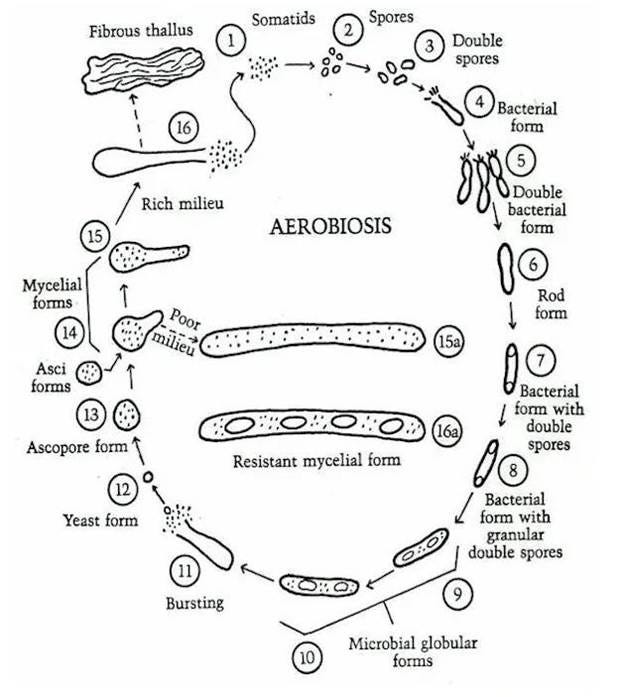
Under healthy conditions, a somatid remains in the first three stages (Stage 1: somatid; Stage 2: spore; Stage 3: double spore), which are always present in the blood of healthy individuals. This initial micro-cycle is benign and associated with normal life processes. However, if the immune system or “inner terrain” is severely compromised, the somatids will progress beyond what Naessens calls the “Protection Gate” (the host’s regulatory barrier) into the remaining 13 stages of a macro-cycle, developing into bacteria-like and fungus-like forms. As conditions worsen, one can observe forms 4, 5, 6… all the way to 16: rod bacteria, mycobacterial tubercle forms, yeast-like budding forms, ascending to filamentous mycelial fungi at the end-stage. The cycle culminates in Stage 16 – the mature fungus – which eventually forms a fibrous sac (thallus) that bursts and releases new somatids, seeding the cycle anew. In Naessens’s theory, this complete 16-stage cycle corresponds to the development of degenerative disease, including cancer. Cancer, he proposed, is essentially somatids proliferating unchecked through their pleomorphic cycle once the immune “guard” is down – meaning we are all born with the latent potential for such disease (the early somatid stages are always in us), and whether that potential manifests depends entirely on terrain integrity. Naessens even linked specific somatid forms to particular illnesses and could predict cancer by observing somatid phase changes in blood, before any tumor forms.
Naessens’ work, like that of his pleomorphist predecessors, met with intense opposition. In 1989, he was even put on trial in Quebec for practicing medicine without a license (due to his administering of an experimental anticancer injectable he devised called 714-X, designed to restore the somatid cycle’s balance); the jury acquitted him. Nevertheless, his live-blood observations fascinated many in alternative medicine. Essentially, Naessens reasserted Béchamp’s principle in modern terms: life is a dynamic continuum, and what we call “germs” are transformations of a more fundamental life unit (the somatid) in response to stress or terrain failure. Many aspects of his cycle resonate with known biology. For instance, the yeast-to-mycelium transition of fungi, or the cell-wall-deficient L-form states of certain bacteria, show that microbes can drastically change form under stress. Indeed, recent studies in microbiome research and epigenetics reveal that bacteria exhibit remarkable adaptive plasticity.
Under hostile conditions, many microbes can alter gene expression and even their morphology—a process analogous to pleomorphism. Escherichia coli, for example, can switch into L-form variants (shedding their cell walls) to survive antibiotics or heat, then revert when conditions improve. Similarly, a pathogen like Helicobacter pylori can change its shape and surface proteins to evade an immune attack. These findings show that microbial forms are not fixed but fluid and responsive to their environment, echoing the earlier theories of Enderlein and Naessens. Their work posited that life exists as a continuum where fundamental particles transform across a spectrum—from benign symbionts to disease agents—and even persist beyond the host’s death.
Lida Mattman (1912–2007) of Wayne State University brought this line of evidence inside conventional microbiology. Her Cell Wall Deficient Forms: Stealth Pathogens (third edition, 2001) gathers the peer-reviewed literature on bacteria that shed their walls, shrink below the limits of filtration and ordinary microscopy, survive what kills their walled forms, and revert again: forms that Béchamp, Enderlein, Rife and Naessens would each have recognized.
In essence, the modern synthesis of microbiome science and microbial epigenetics validates the notion that life is not confined by a rigid boundary between living and nonliving, or by absolute categories of pathogen vs. non-pathogen. Instead, it portrays a dynamic, continuously adaptive system—a living terrain where microbes ever respond to their context. This perspective bridges historical ideas with contemporary science, reinforcing the timeless concept that the state of the soil (or terrain), not just the seed (microbe), truly matters in the flourishing or faltering of life.
Do Microzymas and Somatids Live on After Death?
A haunting finding of the terrain theorists is that these fundamental life units—whether microzymas, protits, or somatids—persist after the death of their host, potentially indefinitely. Béchamp suggested that microzymas, the tiny fermentative particles he discovered, continue in the soil to seed new life, while Enderlein observed that the smallest symbionts survive to recycle a dead body and eventually integrate into new hosts. Modern science confirms this view: when an organism dies, its cells break down and its microbiome (along with ubiquitous environmental microbes) takes over in a predictable succession known as the thanatomicrobiome. Yet Béchamp and Enderlein proposed something more specific—that the exact microscopic units present during life remain active after death. Their experiments with chalk and with a buried cat revealed latent life reactivating under favorable conditions. Modern biology speaks of hardy spores and preserved DNA reawakening: the microzyma under another name. Enderlein noted that these particles not only survive death but may also transfer horizontally—via insects or water or air—hinting at a universal microbiome cycling through organisms continuously.
Gaston Naessens extended this idea by asserting that somatids are essentially eternal. Observing the 16-stage pleomorphic cycle in blood, he noted that under healthy conditions somatids remain in benign forms; however, when the internal terrain is compromised, they progress into pathological states.
Modern research in decomposition ecology supports these ideas. Bacterial endospores from long-dead organisms have been germinated after centuries, and DNA (along with viable seeds and spores) can persist for millennia, sometimes transferring genes to new life forms through horizontal gene transfer. These observations align with terrain theory: health and disease depend on the internal environment, where even the most robust microbes can shift form, much like the dynamic, reversible changes described by epigenetics. In essence, the spirit of the idea endures—life is cyclic and conserved. The microzyma, then, can be envisioned as an eternal thread of vitality, ensuring that the “soul” of an organism continues in new forms. It is a beautiful testament to Nature’s enduring capacity for regeneration: that which lived may die, but nothing is created entirely dead.
Wilhelm Reich’s Orgone Bions: Latent Vitality in Sterilized Matter
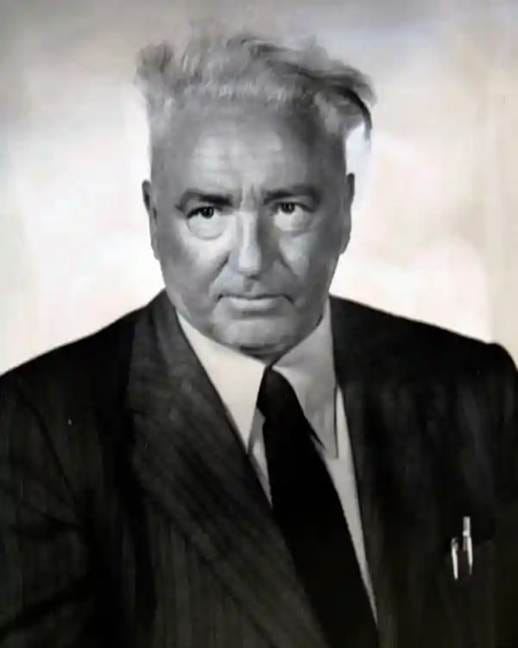
Wilhelm Reich (1897–1957) came to the bions from psychoanalysis. A member of Freud’s circle in Vienna, he had traced the bodily currents of pleasure and anxiety, measured their electrical charge at the skin, and arrived at what he called the tension-charge formula: mechanical tension, electrical charge, electrical discharge, mechanical relaxation, “the formula for biological functioning.” In exile in Oslo from 1934, he set out to watch this rhythm in protozoa. His chemistry followed the same polarity. Potassium chloride and lecithin swell tissue, raise its surface tension and charge it; calcium and cholesterin shrink it and discharge it. So he steeped his materials in potassium chloride, and when he wanted function to develop further he added lecithin.
In the late 1930s, psychiatrist-turned-naturalist Wilhelm Reich embarked on meticulous experiments probing the boundary between inorganic matter and living systems. His work culminated in the discovery of what he called orgone bions—pulsating, luminescent vesicles that he identified as a transitional life state emerging from sterilized materials. Reich’s methodology was bold. He swelled grass, moss, earth, coal, soot, egg white and blood charcoal in bouillon and 0.1 normal potassium chloride, sterilized his preparations in the autoclave at 120°C, and in the decisive series heated coal and earth to incandescence, about 1,500°C, before placing them in the swelling solution. He termed the result “bionous disintegration,” wherein he believed the mineral matrix broke down into proto-biological units.
His first preparations were blades of grass and moss in water. Within twenty-four to forty-eight hours the margins of the grass broke down into vesicles. On the third day oval saccules appeared along the edge, attached by stalks, each with an opening fringed by fine cilia, stretching and contracting for hours; two days later the same forms swam free in the liquid, “in every conceivable stage of development.” He called them Org-animalcules. “Is this formation already an ‘animal,’ or is it still just a ‘piece of plant’? The question is incorrectly phrased. The object is a transitional form.” Time-lapse film showed dried moss in water generating amoebae: vesicles gathered within a membrane, the outer margin became ectoplasm, and after several hours the formation detached itself from the fiber “and crawls away as an amoeba.” Earth went the same way. Crystals of garden soil, motionless and unstructured on the first day, broke into vesicles at their edges and put out tubes that stretched, contracted and bent, and by the seventh day a clump of earth “was moving as if it were jointed.” He named these formations plasmoids.
Under magnifications of two to three thousand diameters, filming with time-lapse cinematography, Reich observed the preparations over the ensuing days. Tiny vesicular structures began to appear. These bions exhibited striking lifelike behaviors: they pulsated, moved through the field, and always showed a bluish color, whatever substance they came from. They could be cultured, and under time-lapse Reich filmed amoebae forming from the vesicles of swelling moss. Yet these forms had emerged from matter heated well past the point of sterility, and the heat hastened their formation. In Reich’s words, high temperatures “destroy what life there is. But these same high temperatures produce the energy vesicles which in turn can develop into living bacteria.”
Electricity revealed their nature. A current of 0.5 to 2 milliamperes sent the earth vesicles toward the cathode; reversing the current reversed their course, and interrupting it stopped them at once. The vesicles of the egg-white mixtures, Preparation 6, carried the opposite charge and moved to the anode, while their second generation, the yellow “packet amoebae” grown on agar, turned again toward the cathode. Reich concluded that “the electrical charge of the mixture is an essential precondition for culturability.” The bions could be cultured, and the medium shaped the culture. Broth gave rapidly moving rods with some amoeboid forms; agar gave cocci; carried back from agar to broth, the rods and amoebae returned. “The nutrient medium thus has an effect on the type of culture.” Heated cultures grew as readily as unheated ones, and four basic forms recurred throughout: round vesicles, motile rods, nucleated cells and crawling amoeboid forms. Reich set aside the phrase “artificial life,” since his experiments revealed a process at work everywhere: “in nature, life is being created out of inorganic matter presumably by the hour and by the minute.”
To the objection that heat merely released hidden spores, Reich answered first with a question, “How could spores enter coke distilled at temperatures in the thousands of degrees?”, and then with an experiment. On 21 May 1937 he heated coal dust on a metal spatula in a benzene gas flame until all of it glowed, and dropped it into broth mixed with sterilized 0.1 normal potassium chloride. The solution turned colloidal at once, and vigorous life forms were visible immediately at 3,000 diameters. He repeated the experiment ten times in succession with the same result, and Roger du Teil of the Centre Universitaire Méditerranéen in Nice carried out control series of his own (The Bion Experiments on the Origin of Life, 1979).
In January 1939 a laboratory assistant, demonstrating the experiment to a visitor, took the wrong container from the sterilizer and heated ocean sand instead of earth. Two days later the solution held intensely blue packets of vesicles, which Reich named SAPA bions, from sand and packet. They killed or paralyzed bacteria and cancer cells at a distance. Studying them for hours each day through that winter, Reich developed a violent conjunctivitis, and his skin tanned though he had not been in the Sun. Reich attributed this to a radiation from the bions, which he traced to the Sun: “Ocean sand, however, is nothing but solidified sun energy.” This interpretation underscored Reich’s claim that these bions were charged with orgone, the novel life-energy he discovered.
Reich framed bions as “biophysical precursors” to cells, animated by orgone—the cosmic life-energy permeating all matter. He asserted that orgone’s presence enabled bions to display lifelike properties despite their inorganic origins. Injected beneath the skin of mice and guinea pigs, his sterile bions proved harmless.
In modern terms, Reich’s bion experiments directly engaged hylozoism’s core tenet: that life inheres in all matter. The formation of membrane-bound, motile vesicles from sterilized sand suggested a continuum between “living” and “nonliving” states, echoing Béchamp’s microzymas and Naessens’ somatids. By demonstrating self-organization in ostensibly inert substrates, Reich challenged the mechanistic view that life can arise only from pre-existing life, proposing instead that matter’s latent vitality can be activated under specific energetic conditions.
Reich’s methodology itself mirrored Goethe’s delicate empiricism, as he prioritized dynamic, long-term observation over static analysis. His dark-field microscopy sessions—often watching a preparation for hours or days to capture bion formation—embodied a participatory engagement with phenomena, dissolving the sharp line between observer and observed. In doing so, he revealed mineral matrices not as inert scaffolds but as dynamic fields where life’s archetypal patterns (Goethe’s Urphänomen) might express through vesicular pulsations and helical aggregations.
In sum, Reich’s work stands as a provocative testament to matter’s unbroken potential for organization—a hylozoic vision wherein life and even a kind of primitive “mind” permeate the cosmic fabric. The bions’ resistance to extreme heat and their quasi-biological behavior align with panpsychism’s assertion that some form of primordial sentience or order operates at all scales of being, however rudimentary. The empirical reality he documented—of self-structured, motile vesicles arising from sterile matter—invites a profound reconsideration of life’s ubiquity. It suggests that the ingredients of life are deeply woven into matter, waiting for the right spark (be it electrical, thermal, or in Reich’s view, orgonic) to ignite organization.
Reich’s bold experiments transformed the debate on abiogenesis by adding a living energy component. His findings reinforce the idea that between the crystalline order of minerals and the animated order of organisms lies a gradient rather than a gulf. His sand-derived bions hint that even “dead” matter harbors an inherent drive to form pulsating, membrane-bound systems reminiscent of life. This blurs the line scientists had drawn in the wake of Pasteur: perhaps the spark of life never fully extinguishes, even in the ashes of sterility.
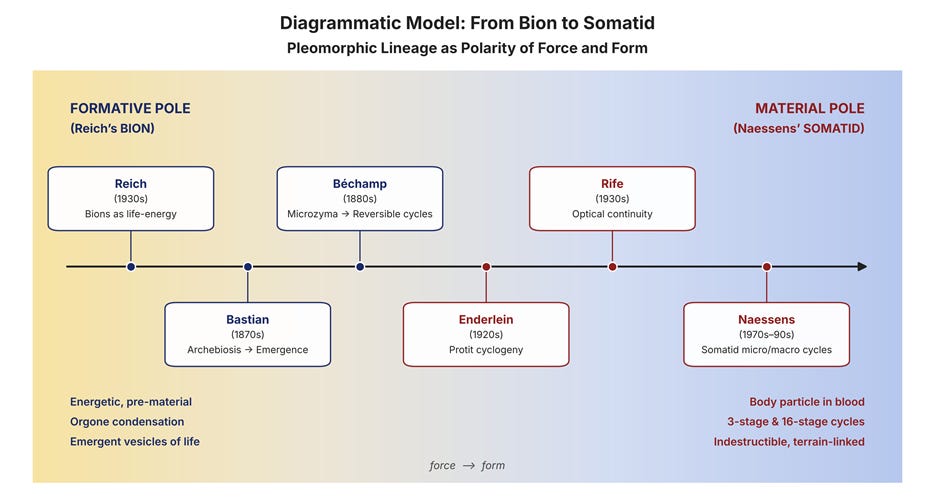
Reich drew his bions from earth, coal and the sand of the sea. Littlefield and Morley Martin went deeper into the mineral kingdom, and drew whole forms of life from salts and from the oldest rock.
The Mineral Consciousness Experiments of Charles W. Littlefield and Morley Martin
The boundary between mineral and living states has long haunted the scientific imagination. Two early 20th-century researchers— Charles W. Littlefield, M.D. (1859–1945) and Morley Martin (d. 1938)— conducted extraordinary experiments showing this divide to be far more permeable than conventional biology allows. Their work forms a fascinating bridge between alchemical traditions and modern interrogations of matter’s latent vitality. Below, we synthesize their methodologies, philosophical underpinnings, and implications for hylozoist and panpsychist frameworks.
Mineral Salts as Mnemic Medium (Charles Littlefield)
Littlefield’s investigations into saline solutions began as an extension of his medical practice and interest in microscopy. A Seattle physician trained in homeopathy, he worked with the twelve mineral “tissue salts” of biochemic medicine. He dissolved each in distilled water, set a drop on a microscope slide beside a small electric lamp, and photographed the crystals that formed as the water evaporated; then he combined the salts in varying proportions, his own favorite being one part sulfate of potash to ten parts sulfate of soda. In The Beginning and Way of Life (1919), a book of some six hundred pages, the crystals form intricate structures resembling shells, fish and reptiles, and even rudimentary animal forms — ten photographs trace the development of microscopic octopi, and others show human-like figures. Almost in passing he reports that during experiments on the salts that produce clotting in hemorrhage, “a living octopus was produced.” These crystallized imprints were not random precipitates but appeared responsive to conscious intention. In M.M.M.: Man, Minerals and Masters (1937), the central technique is mantra meditation: during the evaporation period, he would meditate on a mantra built by a numerical method, in which each letter takes a value from one to nine and at least two words of the phrase reduce to the same digit. Strikingly, the resultant crystal aggregates formed letters, symbols and scenes, which he photographed through a low-power objective. “All illustrations in this book are photographs of mental pictures,” he wrote, and he gave full instructions so that any reader could repeat the work.
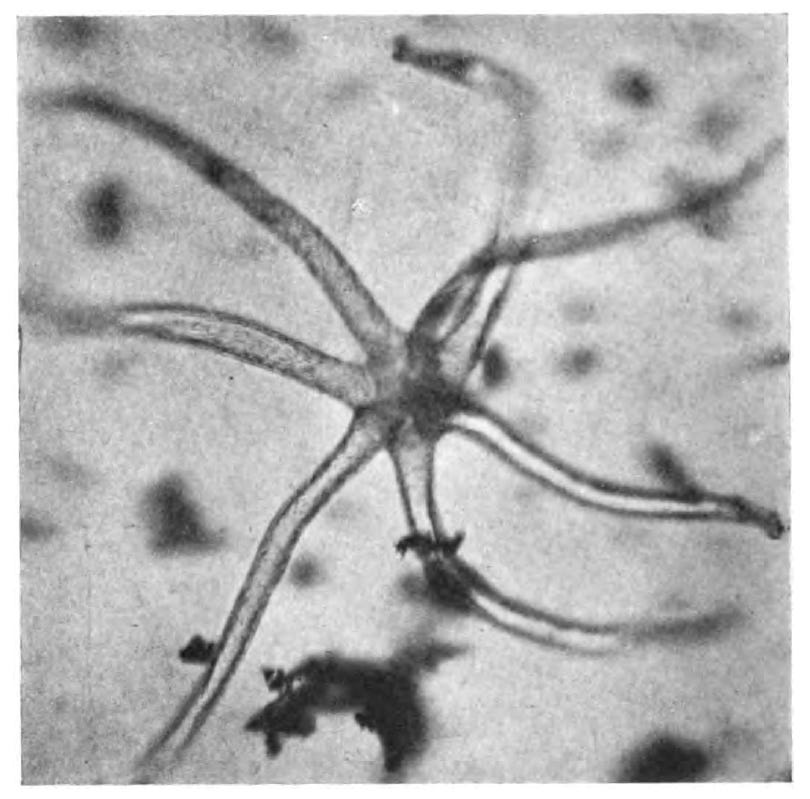
Building on such observations, Littlefield formulated a theory of archebiosis (he titled one of his books Archebiosis, after Bastian’s term) and a Law of Form. He rejected Pasteur’s view that only life begets life, instead asserting that life can emerge de novo from mineral matrices when elemental proportions align with cosmic “formative principles.” He identified twelve key mineral salts in blood (calcium, potassium, magnesium, sodium, iron, etc.) as the mineral basis of organisms—capable of reconfiguring into new life when guided by thought or other subtle influences. This mirrored the ancient idea of the anima mundi (world-soul) permeating matter, where consciousness directs mineral self-organization. Varying the proportions of the salts, he obtained successive octopi of different type, and captioned one plate: “Third octopus produced by varying the proportion of the mineral salts to modify the type within the species, proving the law that composition determines form.” He argued this demonstrated a preexisting “law of form” within minerals, akin to Goethe’s Urpflanze concept but extended to the inorganic realm. In a way, Littlefield anticipated modern biomineralization studies (where organic molecules template mineral growth, like proteins guiding silica formation in diatoms), though he framed it through a Hermetic lens: composition determines form, implying that the right elemental composition naturally yields specific life-forms.
Littlefield held that the evaporation of water “generates a subtle magnetism which is the vital force of plants and animals,” saturating the mineral salts and making them susceptible to mental control. “Life arises from a complex cooperation of energy—psychical and physical—with matter,” he wrote, and “in the grouping of mineral compounds and the environing forces lies the cause of all physical life-forms—this is the underlying principle of abiogenesis.” Meade Layne, reviewing the books for the Borderland Sciences Research Associates in 1948, confessed that “it is difficult to explain the evidence of the photographs by any available hypothesis.”
Morley Martin: Calcination and the Phoenix Effect
Martin, a biological chemist who worked from 1927 in a private laboratory at Andover in Hampshire, pushed Littlefield’s premises to extremes. He took fragments of Precambrian rock, and subjected them to calcination at 2,000–3,000°F in an electric oven, reducing them to a fine ash. From these ashes, by a series of reductions he kept secret, he isolated what he called “primordial protoplasm.” Under Canada balsam it formed crystalloids; after months under non-actinic light, the whole was exposed to X-rays or ultraviolet light. Within the crystals Martin observed organisms forming: about fifteen thousand microscopic fishes from forty crystals in a field one inch across, with crustaceans, diatoms and algae. Globules took shape and formed vertebrae, then a spinal column, ribs, limbs, a head and eyes; one crustacean grew its legs and walked off the field of the microscope.
Critically, these microscopic life-forms arose without any organic inoculants. Martin posited that extreme heat had liberated a “mineral protoplasm” latent within the rock matrix. The process follows the alchemical dictum solve et coagula (dissolve and recombine): the intense calcination “killed” any existing organics and broke matter down to its essentials, and upon rehydration and energy input (UV light), those essentials reconstituted life. When the living forms were returned to the oven at 1,200 degrees, they reformed and began again to develop. In 1935 he incinerated the head of a barbel at 900°C and isolated from its ashes hundreds of microscopic barbels. Maurice Maeterlinck, who told the story in La Grande Porte (1939), drew the conclusion: “That which ought to destroy them reawakens them to life.”
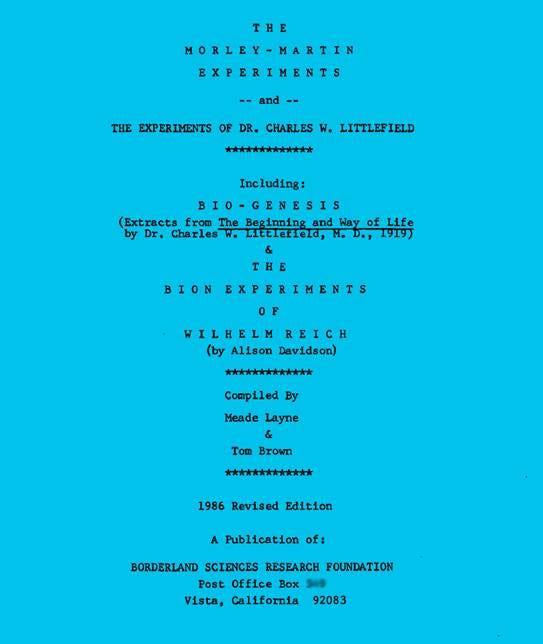
Morley Martin guarded his process closely and published only a brochure, The Reincarnation of Animal and Plant Life from Protoplasm Isolated from the Mineral Kingdom (1934). The fullest account comes from Maeterlinck’s chapter, drawn from his letters to his friend Maurice Genette, and from C. J. Ryan’s reports in The Theosophical Path, both reprinted in the Borderland Sciences booklet The Morley-Martin Experiments (1986), the later edition, which I compiled. The letters read as a manifesto of hylozoism. “Life is not an expression of the forces of the body; the body is the expression of a vital force, pre-existent and indestructible.” “I do not reanimate, because life never ceases.” “There is no division into organic and mineral kingdoms.” And, as if written beneath Lovecraft’s couplet: “The contrary of life is not death, but latency. Man lies latent in the rock.”
Martin’s findings intersect intriguingly with Béchamp’s microzymas—those subcellular, heat-resistant granules that were said to be the true units of life. Béchamp held that microzymas survive the death of the organism, and could reorganize into new organisms under favorable conditions. Similarly, Martin’s “mineral microbes” may represent a mineral-bound analog of those units: essentially the same indestructible life particles (what Naessens later called somatids) surviving in rock and springing to life when conditions permit. It implies a continuum between mineral and biological states, where these infinitesimal life-seeds act as transitional nodes. If Martin’s work is taken at face value, it means that the forms of life can lie dormant in mineral matrices for geological epochs, then awaken and regenerate given water and energy. This is a radical extension of the panspermia idea (life spreading via spores), except here the “seeds” of life are an inherent part of the mineral itself.
Microzymas and the Somatid Continuum
Both Littlefield and Martin operationalized hylozoism—universal life—through empirical methods. Littlefield’s mental imaging and Martin’s pyrolytic regeneration experiments suggest that life is not contingent on existing organic chemistry alone, but can emerge from mineral “proto-life” under the right conditions. Their work aligns with panpsychist views as well. For instance, philosopher Alfred North Whitehead’s “philosophy of organism” held that experience and process pervade even insensate matter; in a similar spirit, Littlefield and Martin showed matter behaving as if remembering and reproducing living forms. It’s as though a rudimentary consciousness or formative memory is embedded in atoms and crystals.
Toward a Mineral Epigenetics
The greatest contribution of Littlefield and Martin may lie in their challenge to the binary of vitalism vs. mechanism. By treating minerals as mnemic, morphogenetic substrates, they prefigured theories of mineral-mediated origin of life and cellular emergence. They essentially reimagined the mineral realm as a palimpsest—a hidden record—where life’s blueprints lie dormant until activated. Their work compels a re-evaluation of matter’s creative potential. In an era when science grapples with life’s beginnings and the possibility of life beyond Earth, their experiments stand as a testament to Nature’s alchemical patience: even stone, given time and change, may breathe, remember, and dream.
Indeed, their findings resonate with current astrobiological thinking that life’s building blocks could be widespread in the cosmos, waiting for conditions to assemble into living systems. It is an echo of the hermetic axiom “as above, so below”—suggesting that the microcosm of a mineral grain contains the macrocosm of life’s potential.
Hylozoism and Panpsychism: Philosophical Undercurrents
The observations gathered here, from Crosse’s acari to Morley Martin’s ashes, intersect with hylozoism’s assertion that matter possesses immanent vitality. The Stoic concept of pneuma—a fiery, life-permeating breath—finds echoes in Crosse’s electrified solutions, Bastian’s heated infusions and Reich’s incandescent coal, suggesting that external energy (whether electrical or thermal) can activate latent life-properties within matter. Similarly, panpsychist philosophies, from Leibniz’s monads to Whitehead’s process ontology, propose that consciousness or experience pervades reality at all scales. The spontaneous emergence of Crosse’s acari from a mineral matrix points to a proto-agency inherent in material systems—a notion which panpsychists like David Chalmers extrapolate in suggesting that even fundamental particles might possess a rudimentary “experience” or mental aspect.
These frameworks dissolve Cartesian dualism, positioning life and mind as emergent properties of material organization rather than foreign impositions. For hylozoists, Crosse’s experiment exemplifies matter’s capacity for self-organization under electrochemical stimulation; for panpsychists, Bastian’s archebiosis implies that even microbial consciousness (however minimal) can arise seamlessly from complex molecular interactions.
The Lineage and Modern Science
This body of work prefigured contemporary explorations in abiogenesis and synthetic biology. The Acarus controversy underscores the role of environmental electrochemistry in prebiotic synthesis, now a focus of research on submarine alkaline vents and protocell self-assembly. Bastian’s archebiosis, meanwhile, anticipates today’s attempts to engineer life from nonliving components—exemplified by Craig Venter’s construction of a synthetic Mycoplasma bacterium in 2010. Viewing these cases through hylozoist and panpsychist lenses expands biology’s conceptual boundaries. If matter itself harbors latent organizational tendencies—whether we call them pneuma, “vital units,” or non-equilibrium thermodynamic imperatives—then life’s emergence may reflect universal principles rather than unique terrestrial accidents. As this lineage demonstrated, the line between inert and animate remains provocatively porous, inviting dialogue between physics, biology, and philosophy on how we define “life.”
From Calcination to Continuum – Alchemical Hints of Transformation
Ancient alchemists believed that calcination—burning a substance to ash—revealed its pure, immutable essence by expelling all that was corruptible. In a similar spirit, Antoine Béchamp’s pioneering work found living microzymas persisting in chalk, a rock laid down over the ages, and in the remains of the dead. Béchamp thus revealed that the “ash” of life is not mere waste but a repository of vital spark, echoing the alchemical metaphor of the Phoenix reborn from its own ashes.

The alchemists went further and taught that form survives the fire. The palingenesis experiments of the seventeenth century reported that the ashes of a burned plant, dissolved and gently warmed or frozen, would show the ghostly shape of the plant again, Joseph du Chesne, physician to Henry IV of France, burned a nettle, dissolved its ashes in water and set the vessel out on a cold night; by morning the ice held the image of the whole plant, roots, stem and leaves. Sir Kenelm Digby retold du Chesne’s account of a Polish physician who kept the ashes of plants in sealed glasses and, with gentle heat, raised from each the image of its flower, which sank back to ash as it cooled. He did so in A Discourse Concerning the Vegetation of Plants, read before the newly founded Royal Society and printed in 1661. Sir Thomas Browne wrote in Religio Medici (1643): “This I make good by experience, and can from the ashes of a plant revive the plant, and from its cinders recall it into its stalk and leaves again.”
Building on Béchamp’s discovery, Enderlein showed that the minute protits he identified exhibit remarkable hardiness. His studies of cyclogeny mapped out a full cycle of pleomorphic transformations, where these particles shift reversibly between benign and pathogenic forms in response to the host’s internal terrain. His observations reinforce the alchemical notion that the essence of life remains unaltered even as its manifestations change with the environment.
In a modern twist, Morley Martin subjected Precambrian rock to extreme calcination, reducing it to fine ash at temperatures up to 3,000°F. Astonishingly, after long preparation and exposure to ultraviolet light or X-rays, the mineral residue gave rise to fishes and crustaceans, and these reformed when their ash was fired again. Martin’s experiment suggests that the calcined “soup” of primordial stone still harbored a latent protoplasm—a concept not unlike the alchemical idea of extracting the essential salt or fixed spirit of a substance through fire. This remarkable regeneration aligns with the notion that the vital essence of life, once purified, may reconstitute itself even from the most inert matter.
Wilhelm Reich’s investigations add another layer to this transformative narrative. In his work with coal and sand heated to incandescence, Reich discovered luminous, pulsating orgone bions—vesicular forms emerging from conditions that should have rendered the material completely sterile. These bions, impervious to heat and pressure, echo the persistence of microzymas, suggesting that even in the absence of conventional organic life, a vital force endures. For Reich, these phenomena were not anomalies but evidence that the spark of life can survive extreme transformation, much as the alchemists envisioned.
Gaston Naessens further expanded this continuum with his discovery of somatids in blood—a dynamic 16-stage cycle wherein these life particles persist and transform. Naessens observed that in healthy conditions, somatids remain in their benign, symbiotic micro-cycle, but under deteriorating circumstances, they progress into pathogenic forms. He asserted that these particles outlive their host, continuing to exist in a cryptobiotic “third state” even after death, much like the latent life observed by Béchamp in ancient limestone. His findings suggest that somatids embody a state of life that is neither fully alive nor dead, but capable of reanimation when conditions improve.
The alchemical concept of solve et coagula—dissolve and recombine—thus becomes a powerful metaphor linking these diverse observations. Béchamp’s microzymas, Enderlein’s protits, Martin’s mineral microbes, Reich’s orgone bions, and Naessens’s somatids all testify to a fundamental truth: life does not simply end; it transforms. Extreme stress, whether from heat, toxins, or radiation, does not annihilate the life-force but compels it to shift form. In the alchemical tradition, the Phoenix’s death in flames and rebirth from ashes encapsulates this cycle of decay and renewal, wherein the indestructible essence—like the fixed salt of a substance—remains eternal.
The alchemical principle that life and matter are not separate but phases of a unified process finds reinforcement in the deep Earth biosphere. If microbial extremophiles transmute mineral matrices into metabolic pathways, then calcination and biological transformation are not opposing forces but aspects of the same underlying continuum. These discoveries validate the view that planetary matter is itself a living process, continuously expressing its latent organizational potential.
This synthesis of scientific insight and ancient wisdom challenges us to view life as an eternal continuum. It underscores that the boundaries between living and nonliving are not absolute but rather fluid states of matter engaged in a perpetual dance of transformation. Whether observed in the resilient microzymas of Béchamp, the adaptive protits of Enderlein, the regenerative mineral organisms of Martin, the enduring bions of Reich, or the transformative somatids of Naessens, the evidence points to one unifying principle: life is a fundamental attribute of matter. It persists, transmutes, and reawakens—an eternal spark hidden within the ashes, waiting for its next rebirth.
The Living Earth: Volcanoes, Seeps and Sulfur Caves
Biology long spoke of a habitable “Goldilocks zone,” a narrow band of temperature, light and chemistry within which life was supposed to be possible. The discoveries of recent decades have pushed that band outward until it embraces almost every condition the planet offers, and at its fringes, wherever the earth is newly made or chemically extreme, the living potential of the mineral shows itself most plainly.
A striking modern echo of Crosse’s findings comes from the depths of an undersea volcano in the Canary Islands, where scientists surveying the new Tagoro cone, born in the 2011–2012 eruption off El Hierro, observed bizarre “hairy” bacteria emerging on freshly cooled lava rock. The white filaments covered some two thousand square meters at about 130 meters depth, each a sheath of three helical strands of cells up to three centimeters long. The organism was new to science, and Roberto Danovaro’s team named it Thiolava veneris, “Venus’s hair” (Nature Ecology & Evolution, 2017). In the midst of the volcano’s fiery outpouring, these filament-draped microbes burst forth as if Nature were sketching new life-forms on the canvas of the deep. Rather than mere contaminants hitchhiking to an extreme environment, these organisms can be seen as a vital, perhaps necessary organic phase in abiogenesis—a spontaneous, self-organizing bloom of life that mirrors Crosse’s 1836 discovery of acari under electrochemical conditions. Imagine the undersea volcano not as a destroyer but as a crucible of creation, where intense heat, minerals, and water converge to ignite life from inanimate matter. In this dynamic seafloor theater, the hairy bacteria are not accidents but the inevitable result of matter’s latent potential. They arise seemingly summoned by the Earth’s own pulse—a testament to the idea that life is a continuous, opportunistic dance between the elements and an emergent spark of organization. Their delicate, surreal appearance (tiny tendrils waving from microbial colonies) rekindles the wonder sparked by Crosse’s experiments, suggesting that the spontaneous emergence of life may be a universal principle—echoing from the electrical birth of acari in the 1830s to the vibrant filamentous blooms on modern volcanic rocks. Such discoveries urge us to reconsider the boundaries of life and non-life, reinforcing the timeless idea that even in the harshest, most “barren” environments, the seeds of life lie waiting to germinate.
In 2025 a team led by Bianca Dal Bó and Shana Goffredi of Occidental College described three new species of sea spider of the genus Sericosura living at methane seeps off California and Alaska, at depths of 397 to 2,020 meters (Proceedings of the National Academy of Sciences, 2025). These spiders farm their food on their own bodies: dense colonies of bacteria grow on their exoskeletons, living on methane and methanol rising from the seabed, and the spiders graze them. Even the eggs carried by the males bear the same microbial coat. Gas seeping from the rock feeds bacteria, and bacteria feed an animal, in total darkness.
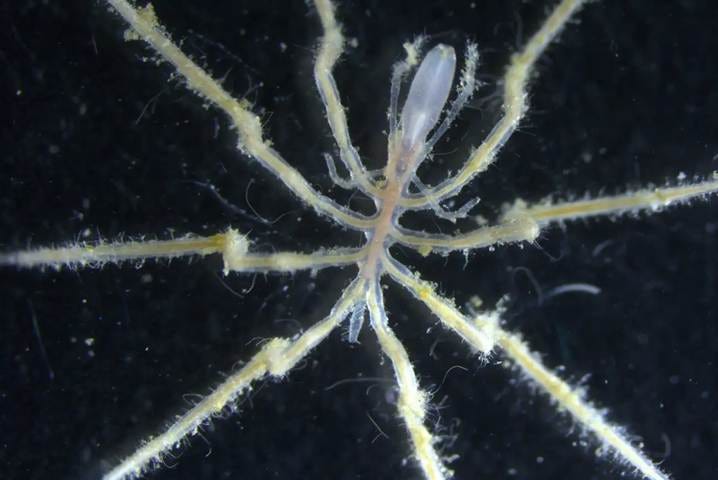
Later that year, István Urák and colleagues reported the largest spider web yet recorded, in Sulfur Cave on the border of Albania and Greece (Subterranean Biology, 2025). Above a sulfidic stream, a colonial web of thousands of interlocking funnels covers more than a hundred square meters and houses an estimated 69,000 Tegenaria domestica and over 42,000 Prinerigone vagans, species that ordinarily live alone. The food chain begins with sulfur-oxidizing microbial films on the rock; midges graze the films, and the spiders eat the midges. The cave spiders have become genetically distinct from their surface relatives, and their gut flora has narrowed to a few symbionts. Shades of Andrew Crosse: from stone and sulfur, a teeming living city.
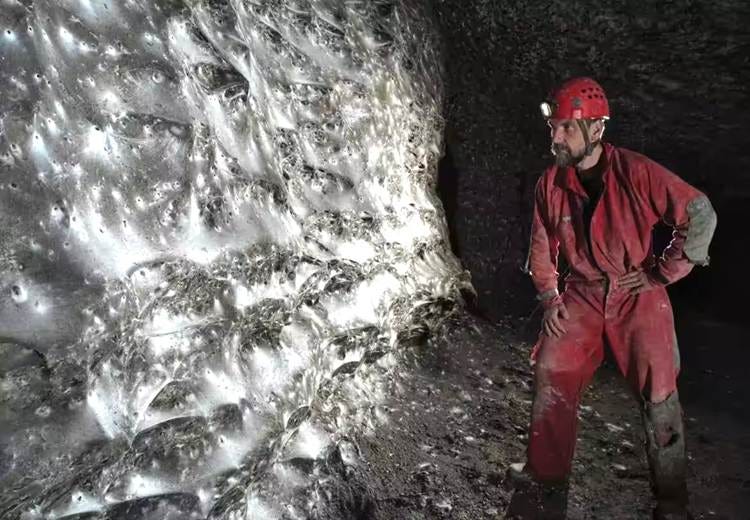
Black Smokers
Deeper still lies the most striking living laboratory on the planet. In February 1977 the submersible Alvin, diving on the Galápagos Rift, found warm springs on the ocean floor crowded with life in total darkness. Two years later, on 21 April 1979, at 21° north on the East Pacific Rise, Alvin came upon tall mineral chimneys pouring out black fluid; the pilot, Dudley Foster, likened it to smoke belching from the smokestack of a steaming locomotive. The plastic tip of the first temperature probe melted, and a replacement probe measured the black-smoker fluids at 350°C, held liquid by the weight of more than two kilometers of ocean.
Around these chimneys lives a fauna fed by the earth itself. The giant tube worm Riftia pachyptila grows to two meters, with a blood-red plume; in place of a gut it carries an organ, the trophosome, packed with sulfur-oxidizing bacteria that turn the hydrogen sulfide of the vents into food. In the Indian Ocean, more than 2,500 meters down, the scaly-foot snail Chrysomallon squamiferum builds its shell and the scales of its foot from the iron sulfides pyrite and greigite, the only animal known to make a skeleton of iron; greigite is magnetic, and the snail sticks to a magnet. From the same Kairei vent field comes Methanopyrus kandleri strain 116, which grows at 122°C under the pressure of the deep (Takai et al., PNAS, 2008). Iron and sulfur from the rock become living armor, and sulfide from the chimney becomes the substance of a worm.
The chimneys are electric. In 2010 Ryuhei Nakamura and his colleagues showed that the sulfide walls of a black smoker conduct electricity and carry a current from the hot fluid inside to the seawater outside, a “hydrothermal chimney battery” (Angewandte Chemie, 2010). In 2017 Masahiro Yamamoto, Nakamura and their team measured the current in place in the Okinawa Trough. Electrons flow from the hot, sulfide-rich fluid beneath the seabed through the sulfide minerals to the seawater, across mineral surfaces reaching at least a hundred meters around the vent, so that the vent field “functions as a huge natural fuel cell, where current is continuously generated.” In 2022 the same group set an electrode cell beside an artificial vent in the trough for twelve days, and bacteria colonized the cathode and fed on its electrons; they named the new organism Candidatus Thiomicrorhabdus electrophagus, the electron-eater (ISME Journal, 2022). The vents also glow. In June 1988 John Delaney switched off Alvin’s lights on the Juan de Fuca Ridge and photographed a sharply defined glow along a vent, and Cindy Van Dover sent the message up from the surface: “vents glow.” The vent shrimp Rimicaris exoculata, whose name means “eyeless,” carries on its back a light-sensitive organ with a rhodopsin-like pigment, tuned to that glow.
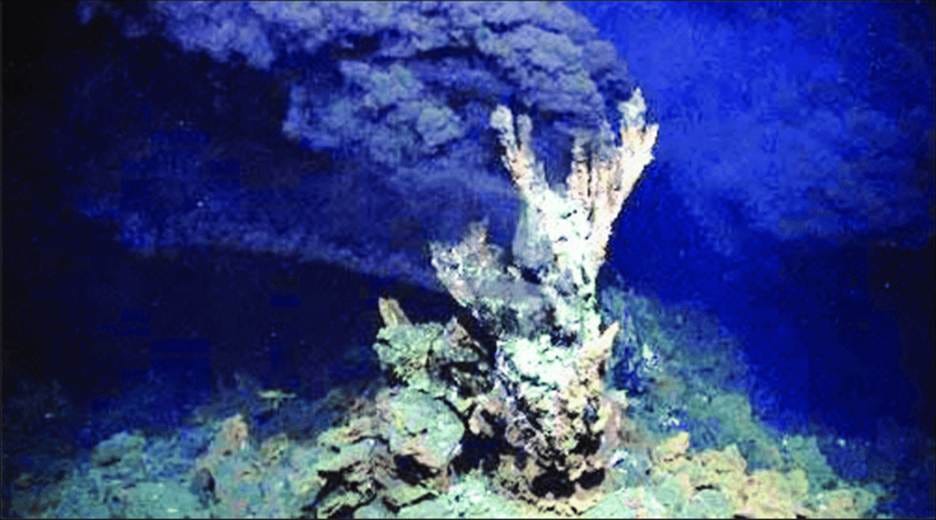
Here the lineage of this article meets in one place. Bastian heated mineral and organic fluids under pressure in sealed vessels to 153°C and found living forms in them; the vents run hotter, under pressures no digester could reach, without pause. Bastian also replaced the carbon in his solutions with silicon, boron, chromium, aluminum or iron, and found life only where silicon stood in for carbon; from a sealed solution of iron pernitrate and sodic silicate he drew a living fungal tuft (vol. 1, Appendix A). The black smoker builds its walls of iron, copper and zinc sulfides, with silica. Crosse’s acari formed on a porous iron stone under a steady current. Béchamp’s microzymas live in the rock, and Reich’s bions rise from earth and coal heated to incandescence, carrying an electric charge. At the black smoker iron, sulfur, silica, heat and current work together day and night, and life crowds the chimney. The laboratories of the nineteenth and twentieth centuries showed in miniature what the ocean floor performs on a planetary scale.
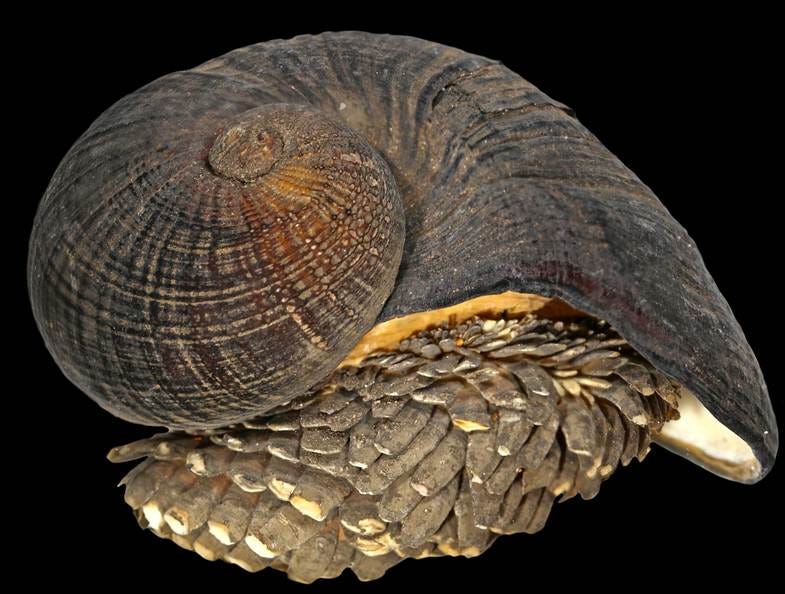
Such cases invite a larger question. The geological column records a sequence of biospheres, each giving way to the next. In the late 1980s Guido Ebner and Heinz Schürch, working for Ciba-Geigy in Basel, reported that seeds and fish eggs exposed to a strong electrostatic field produced archaic forms: primitive ferns, maize and wheat, and trout with the hooked jaw of wild salmon. If the electrical condition of the environment can call older forms out of living substance, then changes in the earth’s field, driven by changes in the solar system such as those we may be passing through now, could act on the whole biosphere at once, and the transitions of the geological record would read as a biospheric metamorphosis.
Deep Earth Biosphere
Emerging research into the deep Earth biosphere reinforces the insights of Littlefield and Martin, providing compelling evidence that life’s continuum extends far beyond the familiar boundaries of organic terrain. Beneath our feet lies a living lithosphere, where microbial ecosystems persist at least five kilometers down in the continental crust, at temperatures up to 121°C—environments once deemed inhospitable to life. In 2018 the Deep Carbon Observatory estimated this subsurface biosphere at 15 to 23 billion tonnes of carbon, 245 to 385 times the carbon mass of all humanity, in a volume nearly twice that of the oceans; some seventy percent of the planet’s bacteria and archaea live there. These extremophiles do not merely inhabit the lithosphere; they actively transform it, engaging in electrogenic exchanges with the mineral world. Shewanella and Geobacter species extend conductive nanowires, linking themselves to iron and sulfur substrates, transmuting geochemical gradients into biological energy. This subterranean metabolic activity mirrors the morphogenetic influence of minerals observed in Littlefield’s crystallization experiments, where matter itself appears to possess an immanent organizing principle.
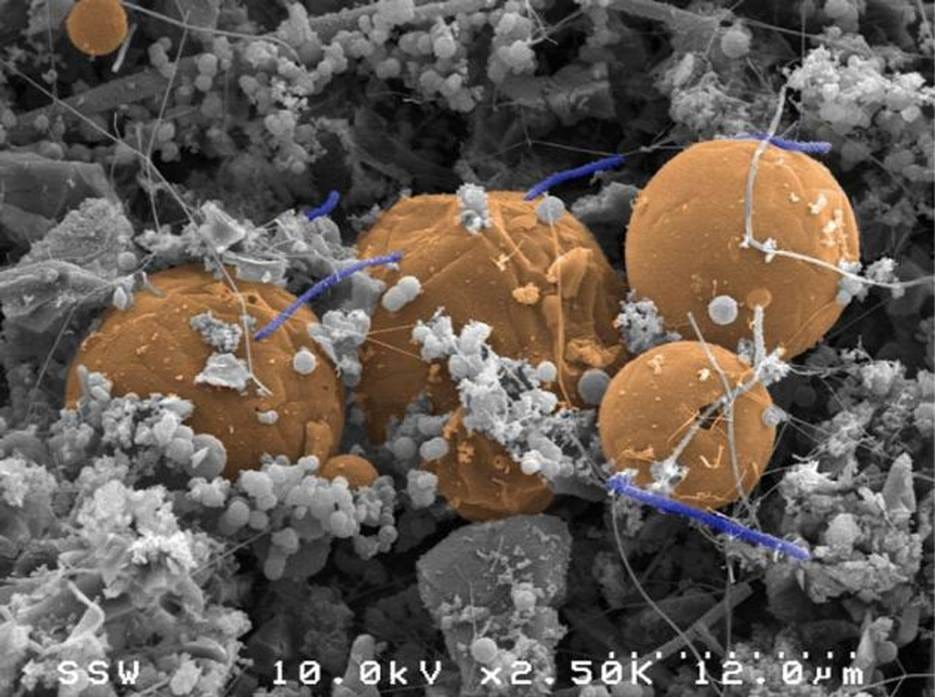
The implications are profound. The processes sustaining these underground life forms— hydrogenogenesis, mineral electron uptake, and geochemical redox cycling—echo the mineral-assisted biogenesis envisioned by Martin, suggesting that metabolic activity is not an incidental overlay on geological processes but an intrinsic feature of planetary matter. From a Goethean perspective, this deep biosphere is not an isolated anomaly but a further revelation of Nature’s unbroken continuity. The rigid dichotomy between the abiotic and the biotic dissolves when life is seen as an expression of mineral vitality, an active participant in the Earth’s internal metabolism. Much as Béchamp’s microzymas persist in both organic and inorganic environments, the biospheric intelligence at depth functions as an extended nervous system of the planet, with microbial biofilms structuring mineral-electron pathways in a manner reminiscent of neural circuitry.
This planetary intelligence is not without consequence. Seismic activity, tectonic movements, and even atmospheric ionization appear to interact with the biosphere’s bioelectrochemical networks. Pre-earthquake electromagnetic anomalies correlate with telluric currents generated by microbial electron transport, while post-seismic methane plumes hint at biogenic gas release under tectonic stress. The Goethean lens perceives these phenomena not as discrete mechanical events but as expressions of Earth’s immanent vitality, a hylozoic unity in which microbe-mineral interactions mediate crustal elasticity. Solar wind protons interacting with magnetospheric boundaries may, in turn, influence these subterranean biogeochemical circuits, creating a feedback loop between cosmic energy influx and lithospheric bioelectrochemistry.
If such abiogenic electroautotrophy permeates Earth’s depths, it fundamentally reimagines life not as an isolated phenomenon but as a property of planetary matter itself. The resilience of these extremophiles supports the Goethean intuition that life, far from a fragile anomaly, is an emergent crystallization of geochemical potentials. In this light, hydrocarbons, long assumed to be fossil remnants, instead reveal themselves as the dynamic exhalations of a living planet. This not only redefines the boundaries of life on Earth but strengthens the plausibility of extraterrestrial biospheres. The methane plumes of Mars, the hydrothermal vents of Enceladus, and the buried oceans of Europa take on new significance when seen through the lens of a mineral-electron metabolism. Earth, then, does not merely harbor life—it is life, a vast bioelectrical crystal breathing through the unseen currents of microbial mycelia, its tectonic shudders echoing the pulse of a sentient cosmos.
Much of this hidden life feeds on electricity. Bacteria of the genera Geobacter and Shewanella breathe minerals, passing electrons from their metabolism to iron and manganese oxides through conductive protein filaments, microbial nanowires. In 2012 Danish researchers found marine sediments carrying electric currents over centimeters, conducted by cable bacteria: chains of thousands of cells joined end to end, linking the oxygen above to the sulfide below like living electrical wires. And in 2019 Kamila Muchowska, Sreejith Varma and Joseph Moran showed that simple molecules in warm, iron-rich water spontaneously produce a network of reactions resembling the core of cellular metabolism, without a single enzyme. This is Crosse’s apparatus writ planetary: an iron-bearing stone, a mineral solution and a steady current, with the circuit running through living wires.
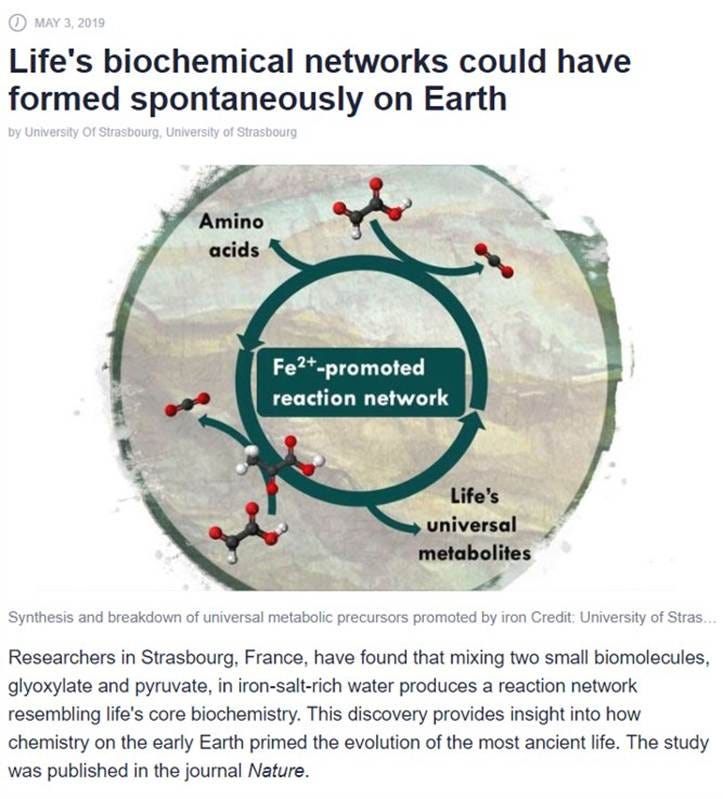
At the smallest scale the boundary keeps blurring, even in the conventional literature. In 2024 a Stanford team reported “obelisks,” a previously unknown class of circular RNA elements living in human mouth and gut bacteria, unlike any known organism or virus. In 2025 Canadian and Japanese researchers described Sukunaarchaeum mirabile, an archaeon whose genome has been pared down almost to its replicative core, living somewhere between a cell and a virus. Each adds another point to the gradient Bose drew between metal, plant and animal.
Gregory Matloff’s Conscious Stars
Modern science typically draws a sharp line between conscious life and insentient matter. Yet a growing body of thought in astrophysics and philosophy is challenging this divide, suggesting that matter, life, and mind form a continuum even at cosmic scales. Astrophysicist Gregory Matloff, for instance, has provocatively hypothesized that stars may exhibit a form of consciousness – a kind of stellar volition – that could explain certain astrophysical puzzles usually attributed to dark matter. On a more metaphysical plane, thinkers like Rudolf Steiner argued a century ago that physical matter is the end-product of conscious spiritual activity (in Steiner’s words, what appears last – consciousness – is in fact the primordial element). Even alternative cosmological models like plasma cosmology envision the universe as an electrically connected web, almost organism-like in its self-organization. Taken together, these diverse viewpoints paint a picture of an interconnected, living cosmos where consciousness and life are emergent at all scales.
Matloff’s case for “conscious stars” is particularly intriguing as a counterpoint to the elusive dark matter hypothesis. In galactic astronomy, dark matter was postulated to explain why stars at a galaxy’s edge orbit faster than visible mass alone can account for. After decades of searching with no direct detection, some researchers have dared to consider more exotic alternatives. Matloff offers one such alternative: perhaps stars themselves choose their motions. Inspired by science-fiction author Olaf Stapledon’s 1937 novel Star Maker (which imagined stellar beings with volition), Matloff suggests that stars might subtly adjust their orbits by a kind of will, thereby reducing the need for extra unseen mass.
In a 2016 paper, Matloff analyzed the motions of thousands of stars and highlighted a pattern known as Parenago’s discontinuity: cooler, redder stars (which have more complex molecules in their atmospheres) tend to orbit the galactic center slightly faster than hotter, bluer stars. Matloff reads it in a new way. He hypothesizes that the presence of molecules – and thus more avenues for quantum-level processes – might enable a faint consciousness in those cooler stars, allowing them to consciously “tick up” their velocities over eons. In essence, all molecules might possess a rudimentary consciousness, and stars cool enough to form molecules could collectively exert a psychokinetic influence on their motion. This idea Matloff grounds in analogy to quantum biology: just as neurons might leverage quantum effects (as theorized by physicists like Evan Walker) to produce mind, a star’s plasma might harness vacuum fluctuations (Casimir effects) within molecular bonds to generate a very basic awareness. Over vast periods of time, that awareness could manifest as a tiny force – a stellar “will” nudging the star’s path. If so, the galaxy’s flat rotation curve might be partly an emergent behavior of countless stellar minds subtly keeping formation, rather than the gravitational pull of undetectable dark matter.
Matloff points out supportive data: Parenago’s discontinuity is a well-documented phenomenon. Cooler stars (with spectra indicating molecules like CO) do indeed show slightly higher orbital speeds than hotter stars in the solar neighborhood. He notes that this discontinuity occurs around the stellar temperature where molecules first appear in significant amounts. Furthermore, Hipparcos data show the discontinuity in main-sequence stars out to about 260 light-years, and even in giant stars beyond 1,000 light years; he proposed that the Gaia mission test it across the galaxy. The test has since been made. In 2018 V. V. Vityazev and colleagues at St. Petersburg State University applied the first Gaia data release to 1,260,071 main-sequence stars and 534,387 red giants out to 1.5 kiloparsecs, about 4,900 light-years, and found the discontinuity holding across that whole volume, a galactic phenomenon extending far beyond the solar neighborhood (Astronomy Letters, 2018). Reading their results, Matloff found more: “To my great surprise, the analysis of Vityazev et al. (2018) indicates that mature stars accelerate along the direction of their galactic revolution (and only in this direction) as they age!” The gain is about one kilometer per second of revolution velocity every billion years. With Roman Kezerashvili and Kelvin Long he then examined the effect in detail, a “bump” in the revolution velocity of Sun-like stars seen only in the direction of revolution (Journal of the British Interplanetary Society, 2021). Matloff finds the conventional explanations, selection effects and past scattering events, unconvincing. Thus, he entertains Stapledon’s conjecture in scientific form: a universal field of proto-consciousness might interact with molecular matter through quantum fluctuations). Under this view, a star with more molecules could engage more with this field and hence exhibit a sliver of volition.
Matloff shows that, taken at face value, the data point to proto-consciousness in celestial objects. In his view, cosmic order isn’t imposed solely by lifeless gravity but potentially co-created by the subtle awareness of stars themselves. It’s a daring hypothesis at the intersection of astrophysics and panpsychism.
His paper closes: “It is therefore not impossible that panpsychism can emerge from philosophy to become a subdivision of observational astrophysics.”
The Plasma Universe as a Cosmic Web of Intelligence
Matloff’s cosmic panpsychism finds resonance with spiritual and philosophical views that long preceded it. Rudolf Steiner – the Austrian esotericist and founder of Anthroposophy – argued that consciousness is the foundation of reality, not a late emergent epiphenomenon. “What to physical appearance seems last to emerge – consciousness – is seen by the spiritual investigator as the primordial creative element,” Steiner wrote, insisting that matter originates from spirit and is essentially “condensed spirit.” (In Steiner’s vivid analogy, from a lecture at Kassel on 16 June 1907: “Even as ice is condensed water, so matter is condensed spirit”) In other words, all material substance arises from prior conscious activity. This principle aligns with the old philosophical doctrine of hylozoism—the idea that all matter is in some sense alive or ensouled. Interestingly, a 19th-century chemist, Baron von Herzeele, arrived at a similar conclusion through experimentation. Herzeele studied plant growth and found that plants seemed to produce new minerals while growing, defying the notion that chemical elements are immutable. He famously stated that “dead matter is never of primary origin. What lives may die, but nothing is created dead.”, further asserting that “the soil does not produce plants; plants produce soil”. This framing implies that lifeless material always traces back to living or spiritual processes. Such statements position inorganic matter as a late product in the chain of being rather than the primal substrate—a perspective Steiner wholeheartedly embraced.
If life and consciousness are indeed fundamental, we might ask: through what medium are they expressed on the grandest scale? Plasma physicists suggest that the universe’s true substrate is not inert matter but plasma – a dynamic, electrically charged state of matter that fills interstellar and intergalactic space. In fact, an estimated 99.9% of the visible universe is plasma (ions and free electrons) rather than solid, liquid, or gas. In the plasma universe model, galaxies and stars are formed and organized by electromagnetic interactions in plasma, notably by vast filamentary currents called Birkeland currents. These currents flow through space, carrying electric charge and linking celestial bodies like an immense circuitry. When parallel Birkeland currents attract and twist around each other, they can pinch plasma into condensed nodes—seeding galaxy formation and star birth in a self-organizing dance.
Simulations by plasma physicists such as Anthony Peratt have shown that two interacting plasma filaments can spiral into a structure with rotating arms and a core, essentially replicating a spiral galaxy’s shape without invoking dark matter. The rotation speeds of stars in the outer regions can be driven by the sustained electric currents and magnetic fields of this cosmic circuit – in essence, the galaxy behaves like a giant electromagnetic homopolar motor, spinning up the disk to the observed high velocities. This offers a compelling alternative explanation for the “anomalous” galactic rotation curves that dark matter was meant to fix. It is the same anomaly Matloff addresses with stellar volition, and the two readings meet: a star carried by cosmic current and a star exercising a faint will may describe one event, seen from outside and from within. More broadly, plasma cosmology portrays the universe as interconnected electric networks at enormous scales, with power flowing along filaments that span galaxy clusters. These networks bear a remarkable resemblance to neural networks or living systems: they are fractal (self-similar across scales) and dynamic, carrying information and energy. It is tantalizing to draw an analogy between the cosmic web of galaxies threaded by plasma filaments and a brain’s web of neurons threaded by axons and dendrites. Such analogies have gained traction as researchers note quantitative similarities between the large-scale structure of the universe and the structure of neural networks. Little wonder, then, that some scientists and philosophers speculate the universe could function like a vast living organism—a conscious cosmic web. Basil Sahely, in “In Communion with a Fully Life-Coherent Universe” (2016), puts it plainly: “…given that we live in a plasma and electric universe through and through, with the ability of the electrons to interact with each other over scales many orders of magnitude from the cells of our bodies… to our planet to the solar system and other galaxies, the possibility exists that the universe is also alive and conscious of itself.” In this paradigm, plasma – with its ability to self-organize into cells, filaments, and circuits – is the physical medium through which a cosmic intelligence might emerge. It provides the scaffolding for matter, life, and mind to interweave. Stars connected by currents might collectively behave like neurons firing in a galactic brain, communicating through light and plasma waves.
Plasma does more than carry current. In dusty plasmas, laboratory and computer studies have found the dust grains organizing themselves into crystals and into helical structures that bifurcate, replicate their shape and carry information along their length, so lifelike that V. N. Tsytovich and his colleagues titled their paper “From plasma crystals and helical structures towards inorganic living matter” (New Journal of Physics, 2007).
The asteroids now testify directly. NASA’s OSIRIS-REx mission returned samples from the asteroid Bennu in 2023, sealed against terrestrial contamination, and in January 2025 Daniel Glavin and colleagues reported fourteen of the twenty amino acids used in earthly proteins, all five nucleobases of DNA and RNA, abundant ammonia and nitrogen-rich organic matter. Three years earlier Craig Jerome, Steven Benner and colleagues had shown that the building blocks of RNA, percolating through basaltic volcanic glass, link spontaneously into long chains. The seeds of life form in space and assemble on volcanic glass, and Morley Martin’s statement that the vertebrates existed in latency before land or sea gains new weight in their light.
Taken together, these findings trace a continuous sequence of manifestation. Plasma currents organize fields; fields gather particulate matter into dust; dust condenses carbon into resonant, conductive architectures; carbon and water form a responsive medium; electron transfer ties medium and mineral into metabolism; microbial and fungal networks extend that metabolism through the planet; and nervous systems gather it into perception and thought. At every level the same forms recur: the branching, conductive filament of Birkeland current, fungal hypha, bacterial nanowire and nerve; the icosahedral and dodecahedral closures of the carbon cage, the viral capsid and the water cluster; the fivefold, golden order that grows without mere repetition. Current seeks form, and form preserves current. Life is the intensification of what matter already is, Goethe’s Steigerung carried from the plasma to the brain.
Toward an Interconnected, Emergent Cosmos
From the perspective of these converging ideas, matter, life, and consciousness are not separate domains but a continuum of evolving expression. Matloff’s conscious stars represent one edge of this spectrum – gaseous suns imbued with a glimmer of volition, perhaps influencing their orbits through willful intent rather than through unseen dark matter.
If Earth’s biosphere extends into the depths of its lithosphere, where microbial networks conduct electrical currents and transmute geochemical gradients into living metabolism, then life’s presence is not limited to surface ecologies. Instead, the biosphere operates as a nested continuum, linking deep planetary processes to atmospheric and even cosmic influences. This vision suggests that planetary bodies, much like the stars Matloff envisions, may express a form of self-organized intelligence at multiple scales.
Steiner’s spiritual science provides a metaphysical foundation, asserting that the cosmos is pervaded by mind (spirit) and that what we call matter is mind slowed down to solidity. The plasma universe, in turn, offers a physical framework for how this might play out: an electrically active medium where feedback, self-organization, and perhaps sensation can occur on a cosmic scale. In such a universe, panpsychism (mind in all things) and hylozoism (life in all things) are not mystical aphorisms but descriptive principles: every level of existence participates in the dance of awareness.
At the human scale, we experience conscious life as something special, but these theories invite us to see it as merely the flowering of a universal property—the universe awakening to itself through myriad forms. The stars may sing with a dim consciousness; the atoms may twitch with primordial feeling; the galaxy may shape itself like a living organism. The profound theme of interconnected existence resonates across disciplines. It posits a cosmos in which everything is in everything: the building blocks of mind are present even in a mote of dust, and the grandest structures inherit the capacities of their constituents. This continuity and emergence of consciousness from the cosmos itself enriches our understanding of life’s place in the universe. Instead of isolated phenomena, matter, life, and mind appear as a seamless spectrum of one reality—a reality that is, in the deepest sense, alive.
The Participatory Universe: Matter Enlivened by Mind
From the musings of poets and philosophers to the experiments of frontier scientists, a single grand theme emerges: the universe is a living, conscious whole in which we participate. Panpsychism and hylozoism have given philosophical voice to this idea, and Goethe’s intuitive science and Bose’s instruments each provided evidence in their own way. In this overarching vision, matter is not dead stuff – it is animate, or at least animatable. Every atom, every molecule contains the seeds of life and mind, either waiting in dormancy or expressed in action. All that exists bears an inward aspect, a spark of experience or a principle of organization, however faint. Thus, the cosmos is a web of vibrant relationships rather than a cold void.
Importantly, this means we human beings are not isolated observers of a foreign universe, but participants within it. Our consciousness is continuous with the consciousness of Nature at large; our life is part of the great metabolism of the cosmos. In such a participatory, interconnected cosmos, all matter contains latent life and mind – the difference between a bacterium, a rock, a plant, or a star is a difference of degree and expression, not of the presence versus absence of an inner life. The universe becomes a community of beings, an infinite spectrum of sentience and vitality, rather than a machine of lifeless parts. This perspective fulfills the poetic intuition that “nothing is truly dead.” Even in the darkest, most quiescent corners of the cosmos, life lies eternal, merely waiting for strange aeons to reawaken. It is a universe where mind and matter, life and substance, intertwine at the most fundamental level – a universe that is, in a very literal sense, alive.
Ultimately, to embrace this view is to see ourselves and our world in a new light. The air, the earth, the stars above – all are kin, all endowed with an inner spark. As Goethe’s holistic vision, Lovecraft’s reinterpreted line, and Bose’s experiments all suggest, we inhabit a living universe that invites our awe and participation. In this living cosmos, even death may die, but life in some form goes ever on. The last word is not decay but transformation. Every element of reality plays a role in the cosmic dance of life and consciousness, and by recognizing this, we reforge our connection to the universe: from cosmic horror to cosmic wonder, from isolation to intimate belonging in the great chain of being.
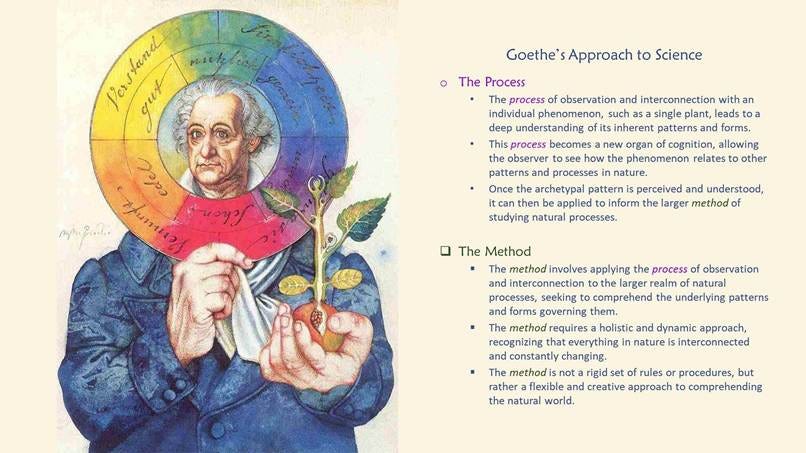
The Cosmic Tapestry Woven from Life’s Unbroken Thread
Our voyage through the labyrinth of consciousness, matter, and life has unveiled a cosmos teeming with agency—a participatory universe where every atom hums with latent vitality and every star may gaze back with cryptic intent. From Lovecraft’s reinterpreted cosmic horror to the resurrected sparks of life in calcined ashes, the evidence converges on a breathtaking possibility: the universe is not merely alive—it is awake in some profound sense.
Panpsychism and Hylozoism Reimagined
Lovecraft’s ominous verse, stripped of its nihilism, becomes a hymn to cosmic resilience. What he framed as an indifferent, dead cosmos, we now can perceive as a continuum of sentience: mind inheres in particles (panpsychism), and life permeates matter (hylozoism). Bose’s metals trembling like nerves under stimuli, Goethe’s archetypal form binding leaf and crystal, and Matloff’s stars nudging galactic orbits all dissolve the old Cartesian divides. Here, consciousness is not an emergent latecomer but a foundational aspect of reality—a spectrum running from mineral memory to stellar volition. Panpsychism and hylozoism, in this reimagining, are not speculative extremes but logical extensions of what we observe: there is no absolute breakpoint where “life” or “mind” suddenly appears, for the precursors of experience were always already there.
Eco-Cosmology
If rocks can dream and stars can sense, then our approach to the environment gains sacred stakes. Polluting a river is no longer just chemical harm; it is violating a sentient watershed. Clear-cutting a forest is silencing a chorus of living beings and elemental spirits. Conversely, regenerative agriculture, inspired by something like Enderlein’s symbiont vision, could strive to partner with the soil’s innate intelligence—fostering mycorrhizal networks and microbial communities as cosmic collaborators in the dance of renewal. In an ensouled cosmos, ecological restoration becomes an act of healing a great body of which we are a part. Our ethical sphere expands from human-centric to life-centric to matter-centric: if all is alive, all warrants respect.
A Call to Participatory Science
The insights of Goethe, Bose, Steiner, and many others demand more than intellectual assent—they invite embodied engagement. To study a plant, as Goethe showed, is not to dissect a mechanism but to dance with its Urphänomen. To probe a star’s psyche, as Matloff encourages, might require instruments attuned not just to spectra but to what we might playfully call quantum poetics. This is science as ritual: a reunion of empiricism and imagination, where data and metaphor entwine in our pursuit of truth.
In closing, we stand at the threshold of a universe that is alive, aware, and awaiting collaboration. The microzyma’s whisper, the star’s song, and the somatid’s pulse all remind us: we are not strangers here. We are the cosmos itself—fragmented into myriad eyes and hands—tasked to nurture, to wonder, and to re-enchant. Let us return to Lovecraft’s couplet, read now as Morley Martin read the rock: “The contrary of life is not death, but latency.” By recognizing the living light in all things, we free the world to speak, and ourselves to listen.
Thus, we conclude not with finality but with invocation—a summons to join the dance where matter and mind, life and death, science and spirit all spiral onward, forever entwined in a welcoming transcendence.
Divinity Sleeps in the Rocks,
Dreams in the Plants,
Stirs in the Animals,
Awakens in Humanity
Further Reading
Bagashov, Eugene. (2019). Possible Tectonic Impact of Biosphere. 10.31223/osf.io/bae7t.
Bastian, H. Charlton, The Beginnings of Life, 2 vols., Macmillan, 1872.
Béchamp, Antoine, The Blood and its Third Anatomical Element, trans. M. R. Leverson, John Ouseley, 1912.
Bird, Christopher, The Galileo of the Microscope: The Life and Trials of Gaston Naessens, Les Presses de l’Université de la Personne, 1990.
Bleker, Maria-M., Unappreciated Friend or Unsuspected Foe? Semmelweis-Institut, 2004.
Bose, Jagadis Chandra, Response in the Living and Non-Living, Longmans, Green, 1902.
Browne, Thomas, Religio Medici, 1643.
Crosse, Cornelia, Memorials, Scientific and Literary, of Andrew Crosse, the Electrician, Longman, 1857.
Danovaro, Roberto, et al., “A submarine volcanic eruption leads to a novel microbial habitat,” Nature Ecology & Evolution, 2017.
Dal Bó, Bianca, et al., sea spiders and methane-oxidizing symbionts, PNAS, 2025.
Digby, Kenelm, A Discourse Concerning the Vegetation of Plants, London, 1661.
Enderlein, Günther, Bakterien-Cyclogenie, de Gruyter, 1925.
Fau, Brigitte, Antoine Béchamp: Understanding the Living.
Glavin, Daniel, et al., “Abundant ammonia and nitrogen-rich soluble organic matter in samples from asteroid (101955) Bennu,” Nature Astronomy, 2025.
Goethe, J. W. von, Scientific Studies, ed. and trans. Douglas Miller, Suhrkamp, 1988.
Gould, Rupert T., Oddities: A Book of Unexplained Facts, Philip Allan, 1928.
Hauschka, Rudolf, The Nature of Substance, Vincent Stuart, 1966.
Jollivet-Castelot, François, L’Hylozoïsme, l’Alchimie, les Chimistes Unitaires, Chamuel, 1896.
Kezerashvili, Roman Ya., Gregory L. Matloff and Kelvin Long, “Anomalous Stellar Acceleration: Causes and Consequences,” Journal of the British Interplanetary Society 74, 2021.
Layne, Meade, and Tom Brown, comps., The Morley-Martin Experiments and the Experiments of Dr. Charles W. Littlefield, Borderland Sciences Research Foundation, 1986.
Leitch, Carmen, The ‘Deep Biosphere’ of the Earth Teems with Life, Labroots, 2018.
Littlefield, Charles W., The Beginning and Way of Life, Seattle, 1919.
Littlefield, Charles W., M.M.M.: Man, Minerals and Masters, Los Angeles, 1937.
Lynes, Barry, The Cancer Cure That Worked, Marcus Books, 1987.
Maeterlinck, Maurice, La Grande Porte, Fasquelle, 1939.
Matloff, Gregory, “Can Panpsychism Become an Observational Science?” Journal of Consciousness Exploration & Research, 2016.
Matloff, Gregory L., “Panpsychism as an Observational Science,” Journal of Consciousness Exploration & Research 11(5), 468–486, 2020.
Mattman, Lida, Cell Wall Deficient Forms: Stealth Pathogens, CRC Press, 2001.
Nakamura, Ryuhei, et al., “Electrical current generation across a black smoker chimney,” Angewandte Chemie International Edition, 2010.
Reich, Wilhelm, The Bion Experiments on the Origin of Life, Farrar, Straus and Giroux, 1979 (1938).
Sahely, Basil, “In Communion with a Fully Life-Coherent Universe,” bsahely.com, 12 February 2016.
Skrbina, David, Panpsychism in the West, MIT Press, 2005.
Steiner, Rudolf, Theosophy and Rosicrucianism (GA 100), lecture at Kassel, 16 June 1907.
Takai, Ken, et al., “Cell proliferation at 122°C and isotopically heavy CH4 production by a hyperthermophilic methanogen under high-pressure cultivation,” PNAS, 2008.
Tsytovich, V. N., et al., “From plasma crystals and helical structures towards inorganic living matter,” New Journal of Physics, 2007.
Urák, István, et al., “An extraordinary colonial spider community in Sulfur Cave (Albania/Greece) sustained by chemoautotrophy,” Subterranean Biology, 2025.
Vityazev, V. V., et al., “New Features of Parenago’s Discontinuity from Gaia DR1 Data,” Astronomy Letters 44, 2018.
Yamamoto, Masahiro, et al., “Spontaneous and widespread electricity generation in natural deep-sea hydrothermal fields,” Angewandte Chemie International Edition, 2017.
Yamamoto, Masahiro, et al., “In situ electrosynthetic bacterial growth using electricity generated by a deep-sea hydrothermal vent,” ISME Journal, 2022.
Yogananda, Paramahansa, Autobiography of a Yogi, Philosophical Library, 1946.

Support Independent Research into Hidden Knowledge & Unexplored Dimensions
Thank you for reading! These writings are open to everyone.
If they have been of real value to you and you feel moved to reciprocate, there are a few ways to do that:
Workshops: Lux.Alkemix.Art — Take the ideas into practice and direct experience!
Sacred threads: AlkemixArts.etsy.com — geometries and symbols for expression in life.
Paid subscriptions: helps keep this work independent and allows more time for deep research and long-form essays such as this one.
Donations: PayPal.Me/alkemix33